

A breast cancer diagnosis brings a flood of hard decisions, and the surgery is often the first. For most women, it comes down to two choices: lumpectomy, which removes only the tumor and saves the breast, or mastectomy, which removes the breast entirely. Both can treat cancer effectively, but differ in the tissue removed, recovery, and life afterwards. The right choice depends on your cancer stage, tumor size, genetics, and personal priorities, not on which sounds less frightening.
Dr. Sandeep Nayak, an eminent surgical oncologist in India, explains, “Many women assume that removing the whole breast is always the safer choice, but for early-stage cancer, a lumpectomy with radiation gives the same survival outcome. The real decision is about what fits each woman’s body, biology, and peace of mind.”
This decision is rarely made alone, and that is where the right surgeon matters. Dr. Sandeep Nayak, with over two decades of experience performing breast cancer surgery in Bangalore, guides women through the choice between breast conservation and mastectomy using hard evidence, not fear, weighing tumor biology, genetic risk, and personal goals before recommending a path. His oncoplastic and breast-conserving techniques help more patients keep their breasts without compromising safety, while those who need a mastectomy gain a clear, confident understanding of why it is right for them.
This blog breaks down what each surgery involves, how they compare, and the factors that help you and your surgeon decide together.
Wondering what a breast-saving surgery actually involves? Let’s explore the first of your two options.
What is a Lumpectomy?
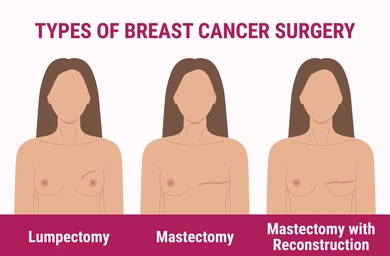
A lumpectomy removes only the tumor and a small margin of healthy tissue around it, leaving most of the breast intact. Also called breast conservation surgery, it is the preferred option for many early-stage cancers. The breast keeps its natural shape, though it may look slightly different.
What is a Mastectomy?
A mastectomy removes the entire breast. It is recommended when the tumor is large, when cancer is present in multiple areas, when radiation is not advisable, or when a patient carries a high-risk gene like BRCA. There are different types, including total mastectomy, skin-sparing, and nipple-sparing approaches.

Many women choose breast reconstruction, done either at the same time or later, to restore appearance. Modern robotic and oncoplastic techniques have made mastectomy far less disfiguring than it once was, with better cosmetic outcomes and faster healing.
Facing a tough surgical decision feels overwhelming on your own. Talk to a seasoned professional and make a confident decision.
Key Differences Between Lumpectomy and Mastectomy
While both surgeries aim to remove cancer, they differ in how much tissue is taken, how long recovery lasts, and what follow-up care is needed. The table below lays out the key differences side by side.
|
Factor |
Lumpectomy |
Mastectomy |
|
Tissue removed |
Tumor plus a small margin |
The entire breast |
|
Breast preservation |
The breast is preserved |
The breast is removed |
|
Surgery size |
Shorter, less extensive |
Larger, more extensive |
|
Recovery time |
Quicker, often within 1 to 2 weeks |
Longer, usually a few weeks |
|
Radiation |
Almost always required |
May be avoided in some cases |
|
Recurrence risk in that breast |
Slightly higher |
Lower |
|
Reconstruction |
Not usually needed |
Often chosen, same time or later |
|
Best suited for |
Small, single, early-stage tumors |
Large or multiple tumors, high-risk genes |
|
Survival (early stage) |
Comparable |
Comparable |
Understanding these differences helps you have a more informed conversation with your surgeon, and both options are performed at MACS Clinic as part of comprehensive breast cancer treatment in Bangalore.
What actually shapes the right choice for you? Let’s delve into the factors that matter most.
Factors to Consider When Choosing the Right Option
Several things shape the right choice:
· Tumor size and location. A small, single tumor often suits lumpectomy; larger or multiple tumors may need mastectomy.
· Genetics. BRCA carriers may opt for a mastectomy to reduce future risk.
· Breast-to-tumor ratio. Breast size relative to the tumor affects the cosmetic result.
· Ability to have radiation. Those who cannot undergo radiation may lean toward mastectomy.
· Overall health. General fitness for surgery and recovery plays a part.
· Personal priorities. Some women want to keep their breasts; others want the lowest recurrence risk and peace of mind.
There is no universally correct answer, only the one that fits your body and values, guided by an experienced surgeon.
Recovery and Aftercare
Recovery differs between the two procedures:
· Lumpectomy recovery. Most women go home the same day and return to routine within a week or two.
· Mastectomy recovery. Usually takes a few weeks, and longer if reconstruction is involved.
· Wound care. Both need care of the surgical site and watching for signs of infection.
· Follow-up visits. Regular appointments track healing and recovery.
· Arm exercises. Gentle movement helps restore mobility, especially if lymph nodes were removed.
· Emotional support. Family, counselors, and survivor groups aid emotional healing as much as physical recovery.
Minimally invasive approaches used in modern cancer treatment at MACS Clinic in Bangalore help shorten recovery time and reduce discomfort.
Conclusion
Lumpectomy and mastectomy are both effective paths to treating breast cancer, and neither is automatically better. Lumpectomy preserves the breast and offers a quicker recovery, but it needs radiation. Mastectomy removes more tissue and may suit higher-risk cases.
The right choice balances medical facts with what matters most to you. An experienced oncosurgeon like Dr. Sandeep Nayak can explain how each option applies to your specific situation and help you feel confident in your decision.
FAQ
1. Is lumpectomy or mastectomy better for survival?
For early-stage breast cancer, both offer similar survival rates. The choice depends on tumor and personal factors, not survival alone.
2. Are BRCA carriers advised to have a mastectomy?
Many are, as it greatly reduces future cancer risk. The decision is made with genetic and surgical counseling.
3. Can cancer come back after a mastectomy?
The risk is low but not zero. Cancer can rarely recur in the chest wall or nearby tissue.
4. Who should choose a mastectomy?
Recurrent breast cancer is treatable, with the approach depending on location and prior treatment.
5. Can I have breast reconstruction after a mastectomy?
Yes. Reconstruction can be done during the same surgery or later, depending on your case and preference.
Disclaimer
This blog is shared for educational and informational purposes only. It isn’t a substitute for professional medical advice, diagnosis or treatment.