
Breast Cancer Screening: Essential Guide to Early Detection
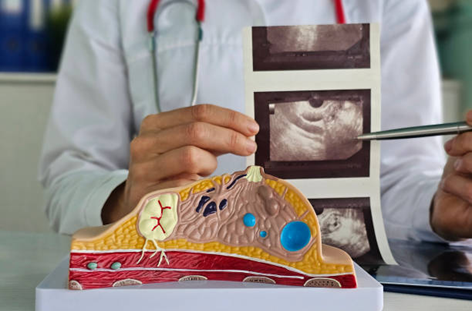
Breast cancer remains one of the most common cancers among women worldwide. According to global health reports, millions of new cases are diagnosed every year, with India witnessing a significant rise in numbers due to lifestyle, genetic, and environmental factors. These statistics underscore the importance of not only breast cancer awareness but also prompt action. Early detection of breast cancer has proven to improve treatment outcomes drastically. Remember: early breast cancer typically presents as a painless lump, making regular screening essential.
Dr. Sandeep Nayak, a well-known breast cancer surgeon in Bangalore, explains, “Catching breast cancer early often means simpler treatment options and better long-term results. Screening is not just a precaution; it is a life-saving step.”
Dr. Sandeep Nayak and his team at MACS Clinic emphasize the importance of early detection in improving breast cancer outcomes. With extensive experience in managing breast cancer, they provide comprehensive diagnostic and treatment services tailored to each patient’s needs.
Three Pillars of Breast Cancer Screening
1. Breast Self-Examination (BSE)
Becoming familiar with the normal look and feel of your breasts is an important step in early detection. Many women find it helpful to check their breasts once a month as a way to increase self-awareness and notice any unusual changes. It should ideally be done 7–10 days following the onset of menstruation, when breasts are less sore and more comfortable to examine. It only takes 10–15 minutes and allows women to become familiar with their breast texture, enabling them to detect any abnormal changes better.
Important notes to remember:
Early breast cancer is usually painless.
Do not wait for pain before getting checked.
ny lump, even a painless one, should be evaluated by a doctor.
Regular practice increases confidence in spotting abnormalities.

2. Clinical Breast Examination (CBE)
Beyond breast self-examination, a medical professional conducts a clinical breast examination. It is advised annually for women over 25 years old. In contrast to self-checking, a clinical exam is more detailed and can find minor changes that are usually missed at home.
This method bridges the gap between self-awareness and advanced medical imaging, offering another layer of protection.

3. Mammography
Mammography is generally regarded as the gold standard of breast cancer detection. The imaging procedure is recommended annually after age 40, although high-risk women will require it earlier. Digital mammogram screening today is more accurate, particularly in women with dense breasts.
Tumors detected early by mammograms are too small to be detected by self or clinical examination, which makes it a reliable resource for early detection.

Proper Self-Examination Techniques
Now, let’s walk step-by-step through how to do it correctly.
Step 1: Visual Inspection
- Stand in front of a mirror.
- First, look with arms relaxed at your sides.
- Then raise your arms overhead.
- Check for:
- Visible size or shape changes.
- Skin dimpling or puckering.
- Nipple changes or unusual discharge.
- Redness or scaling around the nipple or skin.
Step 2: Physical Examination
- Lie flat on your back.
- Use the pads of your fingers, not the tips.
- Cover the entire breast area in a systematic, patterned manner.
- Don’t forget the armpit area.
- Use different pressure levels: light, medium, and firm.
- Look for any lumps, hardened tissue, or thickening.

Additional Screening Methods for High-Risk Individuals
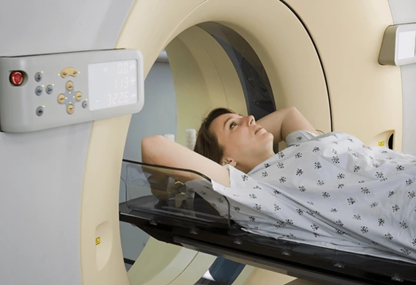
1. Breast MRI
MRI scans give more precise images than mammograms and are especially helpful for women with dense breasts. It is usually paired with mammography for a more comprehensive view.
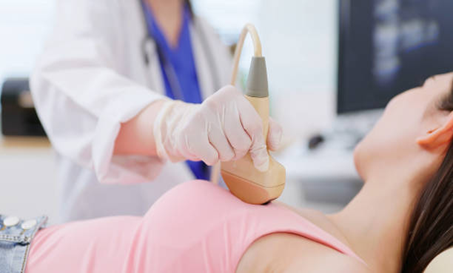
2. Ultrasound
Ultrasound of the breast is also commonly used as an adjunct to mammography. It can differentiate fluid-filled cysts from solid masses, and therefore is very helpful for younger women with naturally denser breasts.
When to Seek Medical Attention
Any new lump, even without pain.
Sudden alteration of breast shape or size.
Dimpling or thickening of the skin.
Nipple discharge or inversion.
Persistent redness or scaling.
Asymmetry between breasts.
Screening Guidelines Based on Risk Factors
1. Average Risk Women
Start monthly self-examination from age 20.
Yearly clinical breast examination beginning at age 25.
Mammogram screening annually from age 40.
Mammogram screening annually from age 40.
2. High-Risk Women
Genetic counseling and preventive measures.

Final Thoughts
Early detection of breast cancer saves lives. Whether it is self-examination, clinical examination, or mammography, consistent screening is the strongest defense against breast cancer. As Dr. Sandeep Nayak emphasizes, “Awareness, vigilance, and timely action are the three shields women must carry against breast cancer.” At MACS Clinic, every woman is encouraged to take these preventive steps and prioritize her health.
Everything You Should Know About Breast Cancer
FAQs
Why is early detection of breast cancer important?
How can I detect breast cancer early?
At what age should I start screening for breast cancer?
What is a mammogram, and how does it work?
What are the risk factors for breast cancer?
What happens if I am diagnosed with breast cancer?
Can men get breast cancer?
Is breast pain always a sign of cancer?
Can lifestyle changes reduce breast cancer risk?
Does having dense breasts increase risk?
Disclaimer: The information provided here is for educational use only and not to promote.