
Breast Cancer Diagnosis and Staging
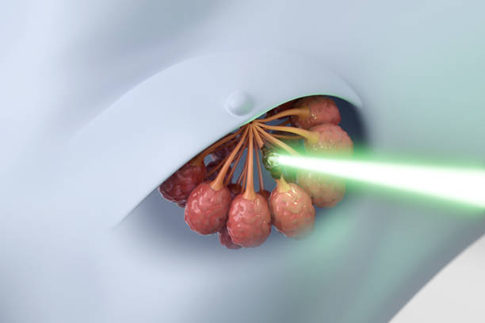
Breast cancer is one of the most common cancers globally, affecting millions of women each year. In India, breast cancer incidence has been steadily increasing, with an estimated 1 in 28 women diagnosed during their lifetime. Early detection through screening and advances in treatment options have significantly improved patient outcomes. Radiation therapy is one of the most widely used methods for treating breast cancer, typically administered after breast cancer surgery to target any remaining cancerous cells.
According to Dr. Sandeep Nayak, and Dr. Nisha Vishnu, “Radiation therapy is a vital part of breast cancer treatment, especially for patients who have undergone surgery. It helps reduce the risk of recurrence by targeting microscopic cancer cells that may remain in the breast or surrounding tissues.”
At MACS Clinic, Dr. Sandeep Nayak and Dr. Nisha Vishnu with their team specialize in comprehensive breast cancer treatment in Bangalore, offering personalized care and advanced radiation therapy techniques. With years of expertise, they are committed to providing the best possible care to breast cancer patients, guiding them through every step of the treatment journey.
In this article, we will dive into the details of radiation therapy for breast cancer, its benefits, how it works, and what patients can expect during the treatment process.
Is Radiation Therapy for Breast Cancer?
Radiation therapy for breast cancer makes use of high-energy rays, such as X-rays, that target and eliminate cancer cells. This treatment is often used following breast cancer surgery. It is primarily used when breast cancer has invaded surrounding tissues and/or lymph nodes. Radiation therapy can be used to eliminate any remaining cells that can cause recurrence of the cancer. The goal of radiation therapy is to reduce the risk of recurrence and to control the spread of the disease.
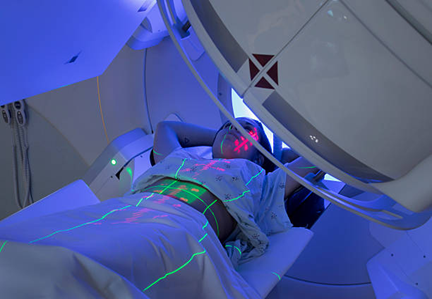
There are mainly two kinds of radiation therapy for breast cancer: the first one is external beam radiation therapy (EBRT); this is most commonly used. Then comes internal radiation therapy or brachytherapy. Here, a radioactive source is placed inside the body near the cancer cells. External beam radiation involves directing high-energy beams from outside the body toward the affected area.
Why is radiation therapy a key part of breast cancer treatment? Let’s discuss the benefits and how they contribute to better outcomes.
Benefits of Radiation Therapy
Reduces the risk of recurrence
Radiation treatment seeks and destroys any remaining cancer cells that may be left from the surgical treatment and thus helps prevent cancer from recurring.
Helps treat lymph node involvement
In those patients whose cancer has already metastasized to the lymph nodes, radiation treatment may be beneficial in addressing these regions to prevent additional metastasis.
Breast-conserving treatment
In the case of women who have already had a lumpectomy, radiation treatment may be utilized as an essential means of maintaining the breast while at the same time treating the cancer effectively.
Breast-conserving treatment
In the case of women who have already had a lumpectomy, radiation treatment may be utilized as an essential means of maintaining the breast while at the same time treating the cancer effectively.
Enhances survival rates
When combined with other modalities of treatment, such as surgery and chemotherapy, radiation therapy is a very important factor in increasing survival rates and improving long-term outcomes.
Non-invasive
It is a painless, non-surgical process that does not involve incisions, making it a viable option for many patients.
Let’s know the process of undergoing radiation therapy for breast cancer to help you prepare for the experience.
What to Expect During Radiation Therapy

1. Consultation and Planning
Before treatment begins, your cancer specialist will develop a personalized radiation plan specific to your case. This could include imaging studies, such as a CT scan, to precisely target the treatment area.
2. Treatment schedule
The radiation is usually administered in small doses daily for several weeks. Most cancer patients typically receive treatment on 5 days of the week, for 3 to 6 weeks, with the weekend in between to give the body time to heal.

- Positioning during treatment:
You will be asked to lie on a treatment table in a specific position, and radiation beams will be delivered to the targeted areas through a machine. Markings may be made on the skin to ensure precise targeting.
- Side effects:
Although radiation therapy is considered to be tolerated quite well by the body, there may be some temporary side effects, such as irritation of the treated skin area, fatigue, or swelling.
Let’s discuss common side effects and how to manage them.
Managing Side Effects of Radiation Therapy

Skin Irritation:
Radiation therapy can cause redness, dryness, or skin peeling after treatment, similar to a mild sunburn. Applying moisturizer to the skin can help soothe it, and it is advised to avoid direct sunlight.
Fatigue:
Fatigue is a common side effect of radiation therapy. Resting and taking a balanced diet can help alleviate fatigue. Exercise, as required, can also increase energy levels.
Swelling:
Breast or associated tissue swelling may also occur, especially if lymph nodes are involved. Elevating the arm or a gentle massage may help in reducing swelling, and your doctor may recommend physical therapy.
Changes in breast appearance:
It can also affect the skin in the treated region, changing its texture or appearance over time. A doctor can manage these changes.
Lymphedema:
Radiation could also add to lymphedema (arm swelling) in some cases. Managing lymphedema early through therapy and proper care can help control symptoms.
What steps can you take to prepare for radiation therapy? Let’s discuss the key preparations to ensure a smooth experience.
How to Prepare for Radiation Therapy

Consult with your doctor
Before your radiation therapy actually begins, your doctor will explain the whole procedure, risks, and benefits. It is a good opportunity to ask any questions that you may have.
Scheduling Your Treatments
Be prepared to visit the radiation center daily for several weeks. It is essential to arrange transportation in advance and plan your schedule accordingly.
Skin Care
The treated area could become sensitive. Avoid applying lotions, perfumes, or deodorants to the treated area of the skin unless your doctor advises you to do so. Protecting your skin from the sun is also necessary.
Maintain a healthy lifestyle
Eating a balanced diet, staying hydrated, and getting plenty of rest will help your body tolerate treatment better.
Plan for emotional support
Radiation therapy can be a stressful experience. Seeking help from family, friends, and support groups might be beneficial for emotional support.
Conclusion
Radiation therapy is a key treatment option for breast cancer patients, helping to eliminate residual cancer cells, reduce the risk of recurrence, and improve overall survival rates. While the process may come with some side effects, they are usually manageable, and radiation therapy plays a vital role in enhancing the effectiveness of breast cancer treatment.
At MACS Clinic, patients receive expert care tailored to their specific needs from Dr. Sandeep Nayak and his competent team, ensuring that each treatment plan is designed for optimal outcomes.
FAQs
1. Does radiation therapy hurt?
No, the radiation itself is painless, but you may experience temporary side effects such as skin irritation or fatigue.
2. What are the side effects of radiation therapy?
Common side effects include skin irritation, fatigue, swelling, and changes in breast appearance. These are generally temporary.
3. Can radiation therapy cure breast cancer?
Radiation therapy is not a cure by itself but is used to reduce the risk of cancer recurrence after surgery.
4. Can radiation therapy be used for all types of breast cancer?
Radiation therapy is commonly used for early-stage breast cancer and after lumpectomy or mastectomy, but the need for it depends on individual factors.
5. Will radiation therapy make me sick?
Nausea is not a common side effect of radiation therapy for breast cancer, but fatigue and skin irritation can occur.
Disclaimer: The information shared in this content is for educational purposes and not for promotional use.