
Breast Cancer Prevention
While not all breast cancers can be prevented, understanding risk factors and implementing preventive measures can significantly reduce your risk. Early detection through regular screening remains a crucial component of prevention.
At MACS Clinic in Bangalore, Dr. Sandeep Nayak and his team provide evidence-based breast cancer prevention and treatment.
“Breast cancer prevention isn’t about eliminating risk entirely—it’s about reducing risk through timely screening, awareness, and healthy lifestyle choices,” says Dr. Nayak, an oncologist in Bangalore.
Understanding Risk Factors
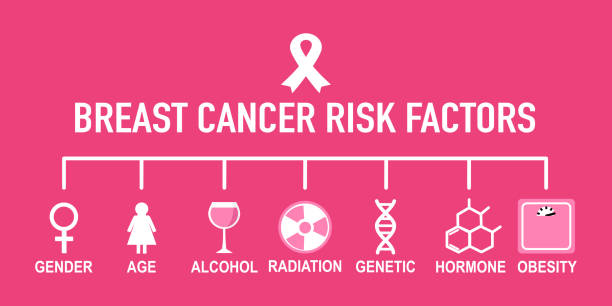
Understanding breast cancer risk factors helps you make informed decisions about your health. Some of these factors are beyond your control, while others can be managed through lifestyle choices.
Non-Modifiable Risk Factors
These are factors you can’t change, but knowing about them can help you stay vigilant with screening and early detection:
Age – The risk increases as you grow older.
Gender – Breast cancer is far more common in women than in men.
Family history – Having close relatives with breast cancer raises your risk.
Genetic mutations – Inherited changes in genes like BRCA1 and BRCA2 significantly increase risk.
Early menstruation – Starting periods before age 12 extends hormone exposure.
Late menopause – Menopause after age 55 also increases hormone exposure over time.
Dense breast tissue – This can make tumors harder to detect and is itself a risk factor.
Previous breast conditions – Certain benign breast diseases may raise your risk.
Modifiable Risk Factors
These breast cancer risk factors relate to your lifestyle and environment, meaning you can take action to lower your risk:
Lack of physical activity – A sedentary lifestyle can increase risk.
Obesity or being overweight – Especially after menopause, this can raise estrogen levels.
Alcohol intake – Even moderate drinking has been linked to increased risk.
Smoking – Tobacco use is associated with many cancers, including breast cancer.
Long-term hormone replacement therapy – Especially combined estrogen-progestin therapies.
Unhealthy diet – High-fat, low-fiber diets may contribute to risk.
Not breastfeeding – Breastfeeding has a protective effect.
Late first pregnancy – Having your first child after age 30 may slightly increase your risk.
By recognizing which breast cancer risk factors apply to you, you can focus on the areas where meaningful changes are possible.
Evidence-Based Prevention Strategies
While you can’t change some risk factors, you can take actionable steps backed by science. These strategies are proven to lower your chances of developing breast cancer and improve your overall health.
Lifestyle Modifications
Your daily habits play a big role in cancer prevention. Here’s what research recommends:

Exercise
- Aim for at least 150 minutes of physical activity per week
- Combine aerobic exercises like brisk walking or cycling with strength training
- Maintain moderate to vigorous intensity levels to maximize benefit
Diet
- Focus on maintaining a healthy body weight
- Increase fiber through fruits, vegetables, and whole grains
- Limit processed foods, red meat, and alcohol (no more than one drink per day)
- Stay hydrated and choose fresh, balanced meals
These lifestyle changes not only help prevent breast cancer—they also support heart health, hormone balance, and weight control.
Reproductive and Hormonal Factors
Some personal choices and medical decisions can also influence your risk:
- Breastfeeding, when possible, offers a protective effect against breast cancer
If you are considering hormone replacement therapy (HRT), discuss the potential benefits and risks with your doctor. HRT may help reduce menopausal symptoms and improve quality of life for many women, especially if started within 10 years after menopause.
- Oral contraceptive pills (OCPs) can be used for birth control and are not known to increase breast cancer risk in the general population. Discuss your options with your doctor, especially if you have a family history of breast cancer.
Regular Health Monitoring
Routine check-ups and screenings are essential in catching problems early, often before symptoms appear:
- Consider performing regular breast self-exams to become familiar with your breasts. If you notice any changes, consult your doctor.
- Ask your doctor about the need for clinical breast exams, as recommendations may vary based on age and risk factors.
- Follow your doctor’s advice on mammograms. Depending on your age and risk level, these X-ray screenings can help detect cancer at an early, treatable stage.
- Don’t skip your regular health check-ups. These visits give your doctor a chance to assess overall health and adjust screenings based on any new risk factors.

Special Considerations for High-Risk Individuals
For some individuals, the risk of developing breast cancer is significantly higher due to genetic or medical factors. In such cases, additional preventive steps may be necessary—and potentially life-saving.

Genetic Testing
If you have a strong family history of breast or ovarian cancer, your doctor may recommend genetic testing:
BRCA1 and BRCA2 mutation testing can identify inherited risks that significantly increase the chance of developing breast cancer

Preventive Medications
For women identified as high-risk, certain medications can help reduce the likelihood of developing breast cancer.
These medications aren’t for everyone—but in the right cases, they offer a powerful layer of protection.

Preventive Surgery
For individuals at very high risk, surgery might be considered as a preventive option:
Early Detection Is Key
When it comes to breast cancer prevention, early detection can make all the difference. Many people assume that pain signals a problem—but that’s not always the case with breast cancer.
Remember:
- Early-stage breast cancer is usually painless—which is why waiting for discomfort can delay diagnosis
- Don’t wait for pain to appear before taking action
- Regular screening helps detect issues before symptoms develop
- Report any changes in breast shape, size, or skin texture to your doctor right away

When to Seek Medical Attention
While not every change means cancer, some signs need prompt medical attention. Early evaluation can lead to better outcomes.
Consult your doctor right away if you notice:
- A new lump in the breast or underarm, whether it’s painful or not
- Changes in breast shape or size that feel unusual or sudden
- Skin dimpling, puckering, or any texture that resembles an orange peel
- Nipple discharge (especially if clear, bloody, or occurring without squeezing)
- New asymmetry, where one breast appears visibly different from the other

Taking time each month to follow basic breast self-exam tips can make you more aware of subtle changes in your body. Dr. Sandeep Nayak strongly believes that awareness leads to action. His book, Armed to Beat Cancer – Know and Prevent, provides information to help individuals recognize early signs and take steps toward prevention.
