
Chemotherapy for Breast Cancer Surgery

Worldwide, breast cancer affects more than 2.3 million women every year, making it the most common cancer among women. In India, over 200,000 new cases are detected annually, and rates continue to rise due to lifestyle changes, delayed diagnosis, and limited awareness in some regions.
These growing numbers underline the importance of understanding each component of breast cancer treatment, including chemotherapy and its role in improving survival and quality of life.
Many people wonder: What is chemotherapy for breast cancer surgery?
Dr. Sandeep Nayak, a respected Surgical Oncologist at MACS Clinic in Bangalore, explains, “Chemotherapy plays a significant role in breast cancer treatment because it targets fast-growing cancer cells throughout the body and strengthens the overall effectiveness of the treatment plan and supports long-term health.
Dr. Sandeep Nayak and his team at MACS Clinic are committed to providing comprehensive breast cancer treatment from advanced surgical options including robotic & minimally invasive breast cancer surgery in Bangalore. Over the last two decades, Dr. Nayak has helped many patients cope throughout their journey by providing the most effective and personalized care.
Every stage of breast cancer has its own treatment pathways. Here’s how chemotherapy fits into different phases.
Chemotherapy for Different Stages of Breast Cancer
Each stage of breast cancer requires a unique approach. Here’s how chemotherapy is commonly used across stages:
Early stage: Offered when there’s a risk of hidden cells despite clear margins in breast cancer surgery.
Locally advanced stage: Often given before surgery to shrink the tumor and improve surgical outcomes.
Node-positive disease: Recommended because lymph node involvement increases recurrence risk.
Metastatic stage: Used to control disease, relieve symptoms, and improve quality of life.
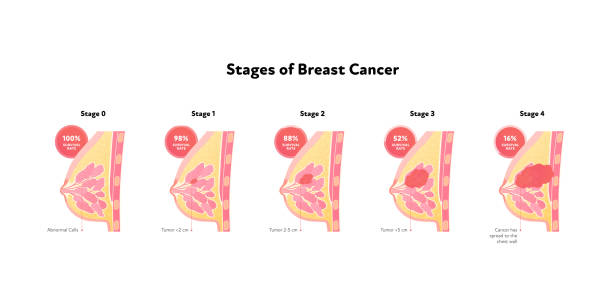
If you’re unsure how your cancer stage influences your treatment, consider consulting an oncology expert who can guide you with clarity and careful evaluation.
Next, let’s walk through what the actual experience feels like.
What to Expect During Chemotherapy for Breast Cancer Surgery?
Chemotherapy is typically given in cycles, allowing the body time to recover between sessions. Here’s what most individuals experience:
Consultation and planning: Your oncology team reviews your health, tests, and medicines.
Session days: Treatment may involve IV infusions lasting a few hours.
Monitoring: Blood tests track immunity, liver function, and overall tolerance.
Recovery period: Fatigue is common, so rest becomes an essential part of the routine.
Support care: Nutritional guidance, hydration, and symptom management are built into the plan.
Wondering whether chemotherapy should be a part of your breast cancer treatment plan? Speak with a qualified oncology specialist to understand the best approach for your situation.
Managing Side Effects of Chemotherapy
Chemotherapy does help significantly, but coping with potential side effects is part of the journey too.
1. Fatigue
Feeling tired is common, especially in the days following each cycle. You can manage this by:
· Prioritising rest as short naps and early bedtimes help energy levels recover
· Staying hydrated as water, fresh juices, and clear soups prevent dehydration-related tiredness
· Eating balanced meals; simple, home-cooked foods support strength without straining digestion
· Light movement and short walks to improve circulation and reduce heaviness in the body
2. Hair Thinning
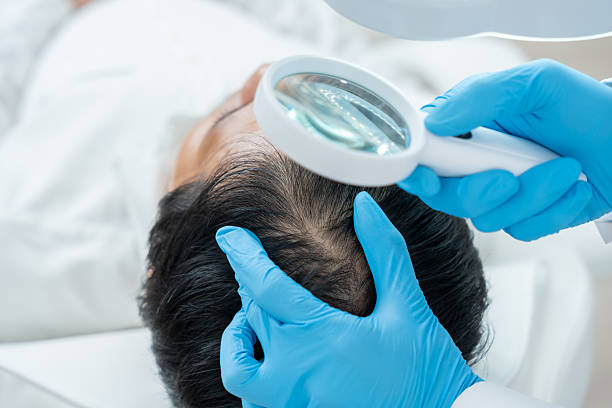
Hair fall during chemotherapy is temporary. Most women notice regrowth soon after treatment. Helpful tips include:
· Using gentle hair products and mild shampoos to reduce scalp irritation
· Avoiding heat styling as curlers, straighteners, and harsh dyes can worsen thinning
· Exploring head covers like Scarves, caps, or wigs for comfort and confidence during this phase
3. Nausea and Vomiting
Modern anti-nausea medicines work well, but lifestyle tips add extra comfort:
· Light snacks every few hours prevent an empty stomach, which can worsen nausea
· Choose bland foods like toast, crackers, khichdi, and bananas that are easy on the stomach
· Avoid strong smells, spicy or oily foods, as they may trigger nausea during sensitive days
4. Low Immunity
Chemotherapy can temporarily reduce white blood cell levels, making infections more likely. You can stay protected by:
· Regular monitoring and routine blood tests to detect drops early
· Practising hygiene, including frequent hand washing and avoiding close contact with sick individuals
· Choosing well-cooked meals and clean drinking water to reduce infection risk
· Reporting fevers early to be checked by a doctor promptly
5. Taste Changes

Some people notice metallic or altered tastes. These tips may help:
· Experimenting with flavours like lemon, mint, or mild spices can make food more appealing
· Using plastic utensils can reduce a metallic taste for some individuals
· Trying cold foods including smoothies, curd, and chilled fruits may feel more comfortable than hot meals
Dr. Suresh Babu, an experienced Medical Oncologist in Bangalore, shares:
“Side effects can feel unpredictable, but they are not uncontrollable. With careful monitoring and early intervention, most patients complete treatment without significant interruption. The goal is to maintain comfort while ensuring the therapy remains effective.”
Dr. Ameenuddin Khan, Esteemed Surgical Oncologist at MACS Clinic in Bangalore, adds:
“Targeted therapies have changed the way we understand breast cancer. When we identify specific vulnerabilities in a tumor, we can strike at those weak points. The process improves precision, reduces unnecessary toxicity, and offers hope even in complex cases. Many patients find renewed confidence when they learn their treatment is personalized to their biology.”
Let’s bring all the information together for a final takeaway.
Conclusion
Chemotherapy for breast cancer surgery plays a powerful role in strengthening long-term health, lowering recurrence risks, and providing peace of mind for many women.
As Dr. Sandeep Nayak, a trusted name for Breast Cancer Surgery in Bangalore concludes:
“When you understand why it is recommended, how it fits into the bigger picture of breast cancer treatment, and what the journey looks like day-to-day, the entire experience becomes far less intimidating.
“It also helps to remember that treatment today is far more personalised than before. With steady progress in medicines and supportive therapies, completing chemotherapy is more manageable than most people initially expect.”
Still curious? The FAQs below cover more practical questions women often ask.
FAQ
Is chemotherapy always needed after breast cancer surgery?
Not always. It really depends on things like the tumour type, stage, lymph nodes, and a few biological tests. Doctors suggest chemotherapy only when they believe it will genuinely help in the long run.
How long does chemotherapy usually continue after surgery?
Most plans run for 3–6 months, depending on the medicine combination and cycle schedule. Each plan is tailored to individual needs.
Can chemotherapy be given before breast cancer surgery?
Yes, in certain cases, doctors use it before surgery to shrink the tumor, improve breast conservation options, or treat aggressive cancers early.
Does chemotherapy affect fertility?
Some chemotherapy medicines can impact fertility. Patients planning future pregnancies may discuss options like fertility preservation before starting treatment.
When can normal activities resume during chemotherapy?
Most patients continue light daily activities, but fatigue may limit heavier tasks. Listening to your body, resting adequately, and following medical advice ensures safer recovery.