
Precision Oncology for Breast Cancer
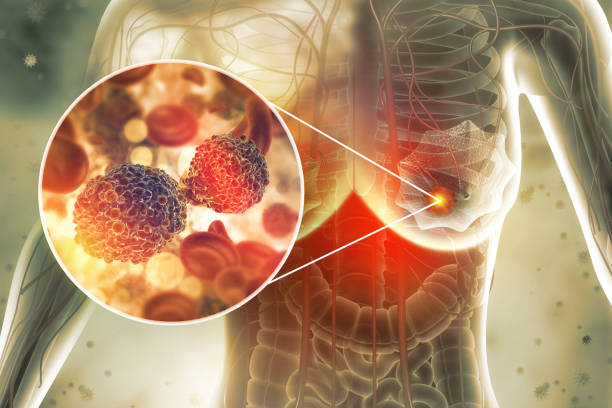
Breast cancer today is treated using surgery, chemotherapy, radiation, hormonal therapy, and newer molecular approaches. As global numbers continue to rise—with over 2.3 million cases diagnosed worldwide in 2023 and India recording more than 200,000 new cases annually— Precision Oncology for Breast Cancer has emerged as a powerful path that customizes treatment to each person’s unique tumor biology.
Dr. Sandeep Nayak, Visionary Surgical Oncologist at MACS Clinic in Bangalore, says:
“Personalized treatment is no longer a futuristic concept. It is becoming the foundation of modern oncology. When we study the genetic behavior of a tumor, we understand how it grows, spreads, and responds. This information helps us choose therapies that have a stronger chance of success. Over time, this approach reshapes how patients experience breast cancer treatment.”
With over 20 years of experience, Dr. Nayak is recognized for his innovations in robotic and minimally invasive breast surgeries. He offers a compassionate and precision-driven approach to treating both benign and malignant breast conditions. He is experienced in advanced diagnostics, cosmetically conscious procedures, and patient-centered care.
Curious how doctors tailor therapies so precisely? Let’s break it down in simple terms.
What is Precision Oncology for Breast Cancer?
Have you ever wondered why two people with the same breast cancer stage respond differently to treatment?
Or why some therapies work incredibly well for one patient and not for another?
Precision Oncology is a modern medical approach where treatment is guided by the genetic, molecular, and cellular features of a person’s tumor. Instead of a “one-size-fits-all” plan, doctors study biomarkers, mutations, protein receptors, and growth patterns to choose therapies that match the patient’s cancer profile.
The concept began gaining attention in the late 1990s when scientists discovered that certain gene mutations triggered faster tumor growth. Over the years, with breakthroughs like HER2 testing and BRCA gene analysis, precision care became a clinical reality. Today, it plays a vital role alongside Breast Cancer Surgery, chemotherapy, and radiation therapy.

Now that you know what precision care means, you might be wondering how it works in real life—let’s explore that next.
Types of Targeted Therapies in Precision Oncology for Breast Cancer
Before diving into therapy types, it helps to understand how Precision Oncology works for Breast Cancer Treatment. Specialists first perform genetic and molecular testing. They look for hormone receptor status, HER2 overexpression, BRCA mutations, and other markers. Based on these results, they select treatment options that directly act on cancer-driving mechanisms.
Here are the main targeted therapies used today:
1. Hormone (Endocrine) Therapy
Works for hormone receptor-positive breast cancers.
Blocks estrogen or progesterone from fueling tumor growth.
Often used after Breast Cancer Surgery for long-term control.
2. HER2-Targeted Therapy
Designed for cancers with excess HER2 proteins.
Medications bind to HER2 receptors and stop cancer cells from receiving growth signals.
Has dramatically improved outcomes for HER2-positive patients worldwide.
3. CDK4/6 Inhibitors
Slow down cell division in specific subtypes of breast cancer.
Often combined with hormone therapy for better impact.
4. PARP Inhibitors
Useful for patients with BRCA1 or BRCA2 mutations.
Block DNA repair in cancer cells, causing them to self-destruct.
5. Immunotherapy
Strengthens the body’s immune response.
Particularly effective in triple-negative breast cancer cases where few options were available earlier.


Dr. Ameenuddin Khan, Esteemed Surgical Oncologist at MACS Clinic in Bangalore, adds:
“Targeted therapies have changed the way we understand breast cancer. When we identify specific vulnerabilities in a tumor, we can strike at those weak points. The process improves precision, reduces unnecessary toxicity, and offers hope even in complex cases. Many patients find renewed confidence when they learn their treatment is personalized to their biology.”
Wondering whether all these advances translate into real-life benefits? The next section makes it clearer.
Benefits of Precision Oncology for Breast Cancer
Precision Oncology improves the entire journey of Breast Cancer Treatment by making therapy more predictable, effective, and personalized. Here’s how it helps:
Higher Treatment Accuracy
Doctors choose medications based on what the tumor responds to, reducing trial-and-error treatment.
Lower Side Effects
Since therapies target specific cancer pathways, healthy cells are less affected.
Better Surgical Planning
In cases requiring Breast Cancer Surgery, targeted therapy may shrink tumors before surgery, helping preserve more breast tissue.
Improved Survival Rates
Global studies show significant improvement in outcomes when precision-based care is used for HER2-positive, HR-positive, or BRCA-mutated cancers.


Emotional Confidence for Patients
Patients feel reassured when care is tailored, logical, and based on biological evidence.
Dr. Nisha Vishnu, Insightful Radiation Oncologist at MACS Clinic in Bangalore, shares:
“Precision Oncology gives patients greater clarity on why each treatment is chosen. When we understand genetic behavior, we can predict responses with better accuracy. This builds trust between the medical team and the patient. Most importantly, it provides a sense of control during an overwhelming time.”
After treatment, many people wonder what comes next. Let’s look at the essential steps that follow precision-based therapy.
Post-Treatment Care for Precision Oncology

Recovery does not end once treatment is complete. Post-treatment care ensures long-term health, emotional well-being, and recurrence prevention.
Here’s what patients typically focus on:
Regular Follow-Up Visits
Scheduled appointments help monitor for recurrence and check how the body is healing.
Managing Long-Term Side Effects
Lifestyle Modifications
A balanced diet, physical activity, and stress reduction techniques support recovery and strengthen immunity.
Emotional and Mental Health Support
Counseling, support groups, and mindfulness practices help patients adjust after intensive treatment.
Ongoing Screening
Periodic scans and tests help track any early signs of recurrence.
Staying informed makes every decision easier.
Everything You Should Know About Breast Cancer
Knowledge empowers patients to ask better questions and make confident choices. With so many resources available today, gaining clarity about breast cancer is easier than ever.
References:
https://www.mayoclinic.org/tests-procedures/precision-medicine-breast-cancer/about/pac-20522213
Disclaimer: The information shared in this content is for educational purposes only and not for promotional use.
Still have questions? The FAQ below clears up common doubts in simple terms.
Frequently Asked Questions
1. Is Precision Oncology suitable for all breast cancer patients?
Precision Oncology works best when tumors show identifiable genetic or molecular markers. If the cancer has mutations like HER2 overexpression or BRCA changes, this approach is especially helpful. Doctors conduct tests to determine eligibility.
2. How is Precision Oncology different from standard treatment?
Standard treatment follows established protocols for each disease stage. Precision Oncology adds a deeper layer by analyzing tumor biology, allowing doctors to choose therapies that match the tumor’s behavior rather than giving generalized treatment.
3. Will I still need Breast Cancer Surgery if I undergo targeted therapy?
Yes, most patients still need surgery. In some cases, targeted therapy is given before surgery to shrink the tumor. This may help preserve more healthy breast tissue and improve surgical outcomes.
4. Are targeted therapies safer than chemotherapy?
Targeted therapies usually cause fewer side effects because they act on specific cancer pathways. However, they may still cause fatigue, skin reactions, or digestive issues depending on the medication.
5. How soon will I know if targeted therapy is working?
Doctors monitor progress through imaging tests, physical examinations, and symptom review. Many patients notice improvement within weeks, but results vary based on the cancer type and treatment plan.