
Immunotherapy For Breast Cancer
Breast cancer is one of the most commonly diagnosed cancers globally, affecting millions of women every year. With advancements in early detection and treatment, survival rates have significantly improved. Treatment for breast cancer typically involves a combination of surgery, chemotherapy, and radiation therapy.
One of the most promising recent developments in breast cancer treatment is targeted therapy. This approach uses drugs that specifically target cancer cells, leaving healthy cells largely unaffected.
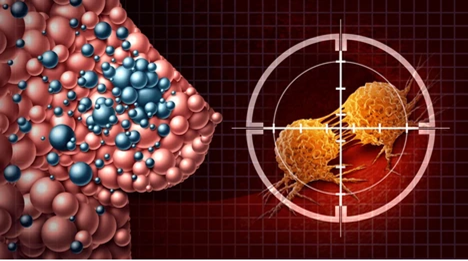
“Targeted therapy offers a more precise way to treat cancer, focusing on specific molecules that fuel cancer growth, improving outcomes and minimizing side effects,” explains Dr. Sandeep Nayak, a globally acclaimed oncologist in India.
At MACS Clinic, Dr. Sandeep Nayak combines advanced treatment techniques with personalized care to ensure the best possible outcomes for his patients. With his competent team, he offers cutting-edge breast cancer treatment in Bangalore, including targeted therapy to provide patients with the most effective options for managing and treating this condition.
What Is Immunotherapy for Breast Cancer?
Immunotherapy for breast cancer is a treatment that helps the immune system recognize and attack cancer cells. Normally, cancer cells can hide from the immune system, but immunotherapy boosts or modifies immune responses to detect and destroy these abnormal cells.
Unlike chemotherapy, which directly kills cancer cells, immunotherapy works by empowering the body’s natural defenses. This makes it a more targeted and often better-tolerated treatment option for certain patients.
How Does Immunotherapy Work in Breast Cancer Treatment?
Immunotherapy works by targeting specific pathways that cancer cells use to avoid immune detection. One of the most common approaches involves checkpoint inhibitors, which block proteins that prevent immune cells from attacking cancer.
Key mechanisms include:

Types of Immunotherapy Used in Breast Cancer
Checkpoint Inhibitors:
These drugs (like pembrolizumab) block proteins that prevent immune cells from attacking cancer, helping the body recognize and destroy tumor cells.
Monoclonal Antibodies:
Designed to target specific proteins on cancer cells, they help the immune system identify and eliminate them more effectively.
Cancer Vaccines (under research):
Developed to stimulate the immune system to recognize and attack breast cancer cells, these are currently being studied.
Adoptive Cell Therapy (emerging):
It involves modifying certain immune cells in the laboratory to recognize and more precisely eliminate cancer cells.

Who Is Eligible for Immunotherapy for Breast Cancer?
Benefits of Immunotherapy for Breast Cancer
Targeted treatment with minimal damage to healthy cells
Fewer side effects compared to traditional chemotherapy
Improved outcomes in selected patients
Long-lasting response due to immune memory
Better quality of life during treatment

Side Effects of Immunotherapy
Success Rate of Immunotherapy for Breast Cancer
The success of immunotherapy for breast cancer depends on factors like cancer type, stage, and patient response. In certain cases, especially triple-negative breast cancer, immunotherapy has shown promising results when combined with chemotherapy.
Patients may experience:

FAQs
1. Is immunotherapy effective for all breast cancer types?
2. How does immunotherapy work in breast cancer?
3. Who is eligible for immunotherapy for breast cancer?
4. Is immunotherapy better than chemotherapy?
5. What are the common side effects of immunotherapy?
6. How is immunotherapy administered?
7. Can immunotherapy cure breast cancer?
8. How quickly does immunotherapy show results?
9. Can immunotherapy be used in early-stage breast cancer?
Disclaimer: The information provided here is for educational use only and not to promote.