
Hormone Therapy for Breast Cancer in Bangalore
Breast cancer is considered one of the most common cancers diagnosed throughout the world. Millions of new cases are recorded globally in a year. In India, breast cancer is found to be on the rise, and a growing number of women are being diagnosed with the condition over the years. Among the various treatment methods, hormone therapy for breast cancer has been considered a proven treatment for many patients.
According to Dr. Sandeep Nayak, a renowned oncologist in India and a leader in the provision of the latest minimally invasive breast cancer surgery in Bangalore:
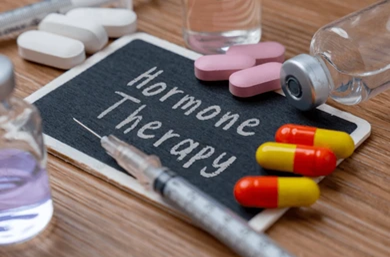
“Hormone therapy is a precise treatment that works to prevent or lessen the effect of hormones such as estrogen and progesterone, which may fuel the development of hormone receptor-positive breast cancer cells. It is a crucial treatment in the prevention of relapse after surgery, and is an essential part of comprehensive breast cancer treatment.”
The team of experts, led by Dr. Sandeep Nayak, offers personalized breast cancer treatment at MACS Clinic in Bangalore. With years of experience in the domain, they offer the best possible care to ensure a holistic treatment plan that aligns with the patient’s needs and lifestyle.
What is Hormone Therapy for Breast Cancer?
Hormone therapy for breast cancer is generally the treatment meant to halt or lower the production of hormones such as estrogen and progesterone, which can contribute to the development of some kinds of breast cancer. The hormone therapy basically targets hormone receptor-positive breast cancer. In this type of cancer, the breast cancer cells contain receptors for the hormone. These hormone receptors are what make the cancer develop.
There are two major approaches for hormone therapy:
1. Blocking the Hormones:
Medicines such as tamoxifen prevent estrogen receptors on cancer cells from binding estrogen, which would typically promote the proliferation of cancerous cells.

Aromatase inhibitors like letrozole, anastrozole, and exemestane reduce the production of estrogen in postmenopausal women, effectively lowering estrogen levels in the body.
Hormone therapy can be used after breast cancer surgery to reduce the risk of recurrence or as a primary treatment for advanced stages of hormone receptor-positive breast cancer.
Benefits of Hormone Therapy
Reduces the risk of recurrence:
Even after treatment, a few cancer cells may remain. Hormone therapy works by blocking the hormones these cells need to grow, helping prevent the cancer from returning.
Prevents the growth of cancer:
Hormone treatment may also help to slow or stop the progression of cancer cells that depend on hormones to grow in patients with advanced or metastatic breast cancer.
Minimally invasive:
Compared to chemotherapy and surgery, hormone therapy is a non-invasive procedure that may be given orally or through injections with minimal side effects.

Long-term treatment option:
Hormone therapy may also be administered for extended periods (5-10 years) to maintain hormonal balance in the body, which could then act as a protective measure against recurrence.
Improved survival rates:
In terms of hormone-positive breast cancer patients, hormone therapy increases the survival rates and improves the quality of life.
What to Expect During Hormone Therapy
The duration of hormone therapy ranges from 5 to 10 years, depending on the stage of the tumor and individual cases. You should ask your oncologist about the duration of hormone therapy.
2. Oral medications:
Most hormone therapies are given in the form of oral medications, such as tamoxifen or aromatase inhibitors. These are usually taken daily, and you will need to follow your doctor’s instructions carefully.
3. Injections:
Some patients are also treated using hormone injections such as goserelin and leuprolide; both hormones suppress estrogen synthesis by the ovaries.

4. Frequent monitoring:
Regular follow-up visits and tests are necessary to monitor the effectiveness of the therapy and detect any potential side effects or signs of recurrence.
5. Adjustments to treatment:
Your oncologist may adjust your medication based on how your body responds to treatment or whether side effects occur.
Managing Side Effects of Hormone Therapy
Hot flashes:
A common side effect of hormone therapy, especially with tamoxifen or aromatase inhibitors, can cause sudden warmth, sweating, and redness. Wearing lightweight clothing and avoiding triggers can help manage this.
Fatigue:
Some patients experience fatigue and low energy. Adequate rest, balanced nutrition, and light exercise can help alleviate fatigue.
Joint pain:
Hormone therapy, especially aromatase inhibitors, may cause joint aches and stiffness. Over-the-counter pain relievers or physical therapy can help manage this.

Mood swings:
Hormone fluctuations can lead to mood changes or depression. Regular exercise, counseling, or support groups can help maintain mental well-being.
Bone thinning:
Aromatase inhibitors can lead to bone density loss, increasing the risk of fractures. A healthy diet with calcium and vitamin D, along with bone-strengthening exercises, can help reduce this risk.
Vaginal dryness:
Hormone therapy can cause vaginal dryness or discomfort. Lubricants and vaginal moisturizers can offer relief, and your doctor may suggest additional treatments if necessary.
What steps should you take to prepare for hormone therapy? Here’s what to know.
1. Consult with your oncologist
Before you begin your hormone therapy, discuss your treatment plan, possible side effects, and concerns with your doctor.
2. Get a baseline assessment:
You may undergo blood tests, bone density scans, and other exams to assess your overall health and ensure the treatment is proper for you.
3. Understand the medications:
Make sure you understand how to take your medication (e.g., daily oral pills or injections) and what to do if you miss a dose.

4. Plan for follow-up care:
Set up regular follow-up appointments to monitor your progress, address side effects, and adjust treatment if necessary.
5. Emotional support:
Hormone therapy can have both physical and emotional effects. Consider joining a support group or talking to a counselor for mental and emotional support.
Conclusion
Hormone therapy is a critical treatment option for many breast cancer patients, especially for those with hormone receptor-positive tumors. It helps reduce the risk of recurrence, prevents cancer cell growth, and improves survival rates. While side effects can occur, they are often manageable, and hormone therapy plays a vital role in achieving long-term control over breast cancer. At MACS Clinic, Dr. Sandeep Nayak and his team offer expert care and personalized treatment plans to ensure the best possible outcomes for their patients.
FAQs
1. Is hormone therapy effective for all types of breast cancer?
2. Will hormone therapy affect my fertility?
3. Does hormone therapy affect bone health?
4. Can I stop hormone therapy if I feel fine?
5. Is hormone therapy used after breast cancer surgery?
Disclaimer: The information provided here is for educational use only and not to promote.