
Breast cancer surgery
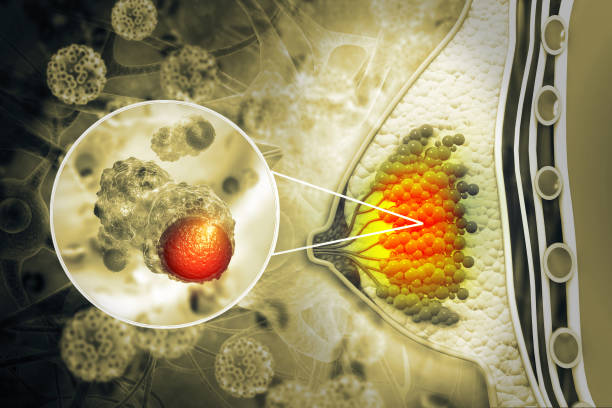
Hearing the words “you have cancer” changes life in an instant. Breast cancer, the most common cancer among women worldwide, carries not just medical implications but emotional ones too. According to the World Health Organization, breast cancer accounts for nearly 2.3 million new cases globally every year, making it the most diagnosed cancer in women. In India alone, over 178,000 new cases are reported annually, with urban areas experiencing a rise in numbers due to lifestyle and genetic factors.
Modern breast cancer surgery is not only about removing the cancer; it is about ensuring survival while preserving dignity, body image, and quality of life. Dr. Sandeep Nayak, a distinguished surgical oncologist based in Bangalore, says:
“Breast cancer surgery has evolved significantly in the last two decades. Today, we aim to not only remove the disease completely but also to preserve the shape of the breast, minimize side effects, and improve cosmetic outcomes. This holistic approach allows patients to move forward with confidence after treatment.”
Breast Conservation Surgery (BCS)
When it comes to treating early breast cancer, many women hope to preserve their natural breasts as much as possible. That’s where Breast-Conserving Surgery (BCS) comes in.
Lumpectomy (Wide Local Excision)
A lumpectomy removes the tumor with a margin of healthy tissue, leaving most of the breast intact. It is often followed by radiation therapy to ensure no cancer cells remain.
This option is best suited for:
- Women with early-stage breast cancer
- Tumors that are small in size
- Patients with a favorable breast-to-tumor ratio
It may also be performed after neoadjuvant chemotherapy (NACT), which helps shrink the tumor before surgery. Regular follow-ups, including mammograms, are crucial after this procedure.
Oncoplastic BCS
Oncoplastic breast surgery combines cancer removal with reconstructive plastic surgery techniques. This ensures that while cancer is completely removed, the breast retains its natural shape and appearance. Techniques like volume displacement or replacement are beneficial for larger tumors.
Dr. Ameenuddin Khan, a renowned surgical oncologist in Bangalore, explains: “Oncoplastic surgery bridges the gap between cancer control and aesthetics. It assures women that they can defeat cancer without losing their sense of femininity. For many patients, this approach significantly improves long-term confidence and emotional recovery.”
Understanding Lymph Node Surgery
Lymph nodes in the armpit (axilla) are the first place breast cancer tends to spread. Knowing whether cancer has reached these nodes is critical for accurate staging and treatment planning.
Why is lymph node surgery necessary?
- Helps determine the extent of spread
- Guides decisions on chemotherapy or radiation
- Provides an accurate cancer stage
- Directly impacts prognosis
Types:
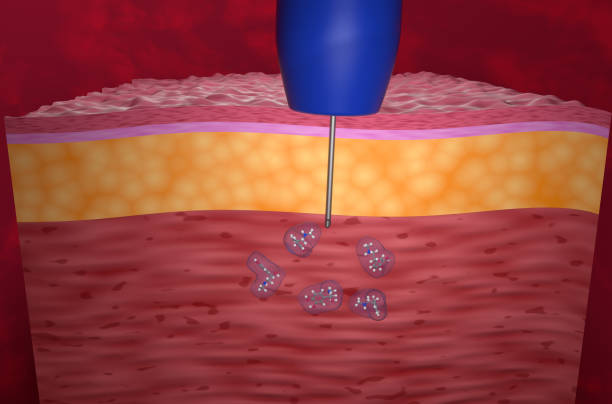
Sentinel Node Biopsy (SNB)
This minimally invasive procedure identifies the first draining lymph nodes using a blue dye or radiotracer. If these nodes are free of cancer, no further lymph node surgery may be necessary. It carries a much lower risk of lymphedema (arm swelling).
Axillary Lymph Node Dissection (ALND)
Recommended for patients with:
- Positive sentinel nodes
- Clinically enlarged nodes
- Locally advanced breast cancer
ALND removes multiple nodes and provides valuable information for treatment planning.
Mastectomy Options
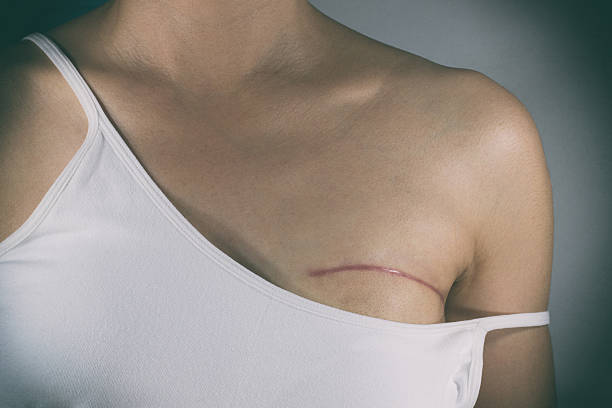
For some women, preserving the breast is not possible or advisable. In these cases, mastectomy is recommended.
Simple Mastectomy
Removes the entire breast tissue but spares the chest muscles. It can be done as a skin-sparing surgery, allowing for better reconstruction options later.
Modified Radical Mastectomy
The most common type, this surgery removes the breast and axillary lymph nodes but preserves chest wall muscles.
Nipple-Sparing Mastectomy
A more advanced technique that preserves the nipple-areola complex for a natural appearance. It requires careful patient selection as not all women are eligible.
Dr. Devaprasad Munisiddaiah, a surgical specialist in Bangalore, notes: “For women needing a mastectomy, preserving body image is still possible. With nipple-sparing approaches and immediate reconstruction, we can now achieve results that were unthinkable two decades ago. These options empower patients to recover not just physically but emotionally too.”
Modern Surgical Approaches
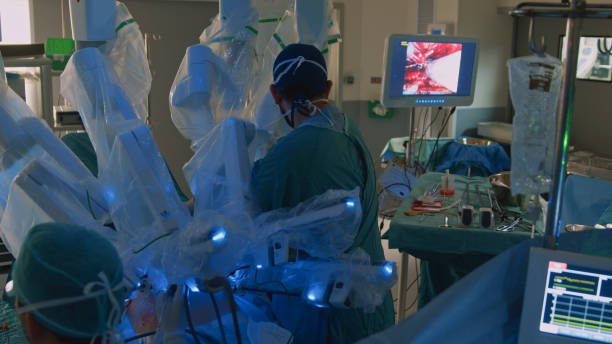
Breast cancer surgery has seen a paradigm shift with newer technologies ensuring better recovery and cosmetic outcomes.
Traditional Open Surgery
The standard method involves larger incisions. It’s reliable and widely practiced, but may leave more visible scars.
Minimally Invasive Breast Surgery (MIBS)
This technique uses smaller incisions, resulting in:
- Better cosmetic results
- Faster recovery
- Reduced post-operative pain
Robotic Surgery
An advanced option offering:
- 3D visualization for surgeons
- Greater precision in cutting and suturing
- Improved cosmetic outcomes with fewer minor scars
Breast Reconstruction Options
Reconstruction helps restore the breast’s appearance and can be done either during cancer surgery or later.
Timing of Reconstruction
- Immediate Reconstruction: Done during the same surgery. Offers better cosmetic results but may interfere with future radiation.
- Delayed Reconstruction: Performed months or years later after completing all treatments. Provides more flexibility.
Types of Reconstruction

Implant-Based: Uses silicone or saline implants. It can be direct-to-implant or a two-stage process with a tissue expander.
- Autologous Tissue: Uses the patient’s own tissue (from abdomen or back). Examples include DIEP flap, TRAM flap, and latissimus dorsi flap.
Additional Procedures
Beyond the primary reconstruction, there are supportive procedures that help refine appearance and restore natural symmetry, giving women a sense of completeness after breast cancer surgery.
- Nipple Reconstruction
Nipple reconstruction is often the final step in breast reconstruction. It uses local skin flaps or grafts to recreate a natural-looking nipple mound on the reconstructed breast. This can later be enhanced with tattooing for color. It restores balance and helps many women feel “complete” again after a mastectomy.
- Areola Tattooing
Areola tattooing adds realistic color and shading to the nipple-areola complex. Modern medical tattooing techniques can create a 3D effect, making the reconstructed breast look natural. For women who did not undergo nipple reconstruction, tattooing alone can simulate both the nipple and areola, yielding excellent cosmetic results.
- Symmetry Surgery on the Opposite Breast
To achieve balance, surgeons may adjust the opposite breast to create a more symmetrical appearance. This could involve a lift, reduction, or augmentation depending on the patient’s needs. The goal is to achieve a harmonious appearance, ensuring that both breasts match in terms of shape, size, and position.
- Revisions for Shape Refinement
Over time, reconstructed breasts may change due to healing or aging. Revision surgeries help refine the contour, correct asymmetry, or improve scarring. These adjustments are standard and ensure long-term satisfaction with the surgical outcome.
Choosing the Right Surgery
Selecting the right approach is a team decision that involves both the patient and the doctor. Factors considered include:
Cancer stage – early vs advanced
Tumor size and location – small peripheral tumors may allow conservation
Breast size – impacts cosmetic results
Genetic factors – BRCA mutation may indicate mastectomy
Patient preference – some prefer mastectomy for peace of mind
Reconstruction goals – immediate vs delayed
Overall health – comorbidities may influence recovery
FAQs
1. What is breast cancer surgery?
2. What types of breast cancer surgery are available?
3. How do I know if I need a mastectomy or lumpectomy?
4. Is breast cancer surgery painful?
5. How long does breast cancer surgery take?
6. What is the recovery time after breast cancer surgery?
Disclaimer: The information shared in this content is for educational purposes and not for promotional use.