
Types of Breast Cancer: A Comprehensive Guide to Understanding Different Forms

Breast cancer is the most common cancer among women worldwide, with over 2 million new cases each year. While it primarily affects women, men can also be diagnosed. Early detection through screening methods such as mammography has dramatically improved survival rates by allowing many cases to be found at an early stage. In India, too, breast cancer is the leading cancer in women, contributing to a large share of new diagnoses annually.
Breast cancer is not a single disease but comprises several types, each with distinct characteristics and treatment approaches. Understanding these differences is crucial for proper treatment planning.
According to Dr. Sandeep Nayak, a leading breast cancer surgeon in Bangalore, “The key to effective treatment lies in understanding the unique characteristics of each type of breast cancer and tailoring a treatment plan that best suits the patient’s needs.” At MACS Clinic, Dr. Sandeep Nayak and his team manage breast cancer using advanced diagnostic and modern treatment techniques, ensuring patients receive individualized care.
Common Types of Breast Cancer
1. Ductal Carcinoma In Situ (DCIS)
Ductal Carcinoma In Situ (DCIS) is a non-invasive type of breast cancer. Cancer cells in DCIS are contained in the milk ducts and have not invaded nearby tissue. It has also been called Stage 0 breast cancer. While it’s not invasive, if not treated, over time it could progress to invasive cancer.
Prognosis and Treatment

2. Invasive Ductal Carcinoma (IDC)
Invasive Ductal Carcinoma (IDC) is the most prevalent form of breast cancer and represents about 80% of all cases. IDC originates in the milk ducts and subsequently spreads to the surrounding tissues. IDC has the potential to spread to the lymph nodes and to the rest of the body if not diagnosed early.
Subtypes of IDC
IDC has a number of subtypes, which are:
- Tubular Carcinoma: A less aggressive type of IDC.
- Medullary Carcinoma: Characterized by a well-defined border and a moderate prognosis.
- Mucinous Carcinoma: A type that produces mucus.
- Papillary Carcinoma: Features finger-like projections of tumor cells.
- Cribriform Carcinoma: Presents as a sieve-like structure under the microscope.
Prognosis and Treatment
Treatment for IDC often involves a combination of surgery, chemotherapy, and sometimes hormone therapy, depending on the cancer’s receptor status.

3. Invasive Lobular Carcinoma (ILC)
Invasive Lobular Carcinoma (ILC) begins in the milk-producing lobules of the breast. ILC is the second most frequent type of invasive breast cancer. ILC usually manifests differently than IDC and is more difficult to detect on standard mammograms. Rather than creating a well-defined lump, it might cause thickening in the breast tissue.
Challenges that arise with diagnosis
Since ILC can occur in various regions of the same breast, it might prove to be harder to detect and will need to be viewed with precise and sophisticated imaging modalities.
Prognosis and Treatment
ILC is treated in a way similar to IDC but might need stronger surveillance because of its higher incidence of multifocality. Surgery, radiation, and chemotherapy are typical.

4. Inflammatory Breast Cancer
Treatment and Prognosis
IBC treatment also begins with chemotherapy to reduce the tumor, and then surgery and radiation therapy are done. Due to its aggressive nature, IBC requires more intensive treatment and even demands more aggressive care.

1. Triple Negative Breast Cancer
Triple Negative Breast Cancer, or TNBC, is a form of breast cancer that does not have three usual receptors: estrogen, progesterone, and HER2. The subtype is generally more aggressive and is frequently found in younger women.

Challenges and Treatment
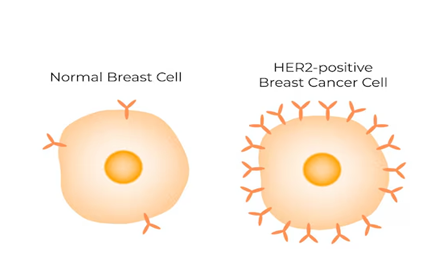
- HER2-Positive Breast Cancer
HER2-positive breast cancer is defined as the overexpression of the HER2 protein on the breast cancer cells. It is a more aggressive type of breast cancer, but it is highly responsive to targeted therapies.
Treatment and Prognosis
With the introduction of targeted agents like Herceptin, the survival in HER2-positive breast cancer has been much better. Early diagnosis and timely treatment can result in a very good outcome.
Phyllodes Tumors – A Unique Entity
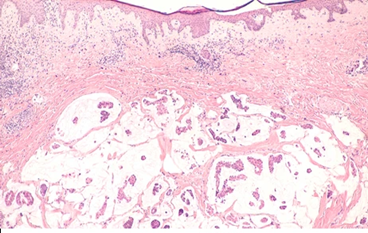
Key Features
Phyllodes tumors are rare breast tumors that occur in fewer than 1% of all breast tumors. The tumors occur in the breast’s connective tissue and may be benign, borderline, or malignant. While benign phyllodes tumors are more frequent, malignant forms are aggressive and capable of fast growth.
Behavior Pattern
Malignant phyllodes tumors may recur after surgery, and while they rarely spread to lymph nodes, they can metastasize to the lungs. Surgical excision with clear margins is the primary treatment for phyllodes tumors.
Treatment Approach
Wide surgical excision is recommended to ensure that the margins are clear. In some cases, radiation therapy may be necessary. Regular follow-up is essential to monitor for recurrence.
Molecular Subtypes of Breast Cancer
- Luminal A
Luminal A is the most common subtype of breast cancer, characterized by estrogen receptor-positive (ER+), progesterone receptor-positive (PR+), and HER2-negative status. It has a better prognosis compared to other subtypes and responds well to hormone therapy.
- Luminal B
Luminal B also has estrogen and/or progesterone receptors, but may be HER2-positive or negative. This subtype is more aggressive than Luminal A and often requires more intensive treatment, including chemotherapy.

- HER2-Enriched
HER2-enriched cancers are characterized as HER2-positive but hormone receptor-negative. These cancers tend to be more aggressive but can respond well to targeted therapies like trastuzumab (Herceptin).
- Basal-like (Usually Triple Negative)
Basal-like breast cancer is often triple-negative, meaning it lacks estrogen, progesterone, and HER2 receptors. It is typically more aggressive and common in younger women.
Final Thoughts
Understanding the types of breast cancer is crucial for both diagnosis and treatment. The earlier breast cancer is detected, the higher the chances of successful treatment. Whether it’s invasive, non-invasive, or one of the rarer forms, the appropriate treatment plan can significantly improve the chances of successful treatment and recovery. Consulting with a seasoned specialist is crucial to ensure the most effective approach for your specific case.
Everything You Should Know About Breast Cancer
FAQs
1. What are the different types of breast cancer?
2. What is the difference between invasive and non-invasive breast cancer?
3. What is triple-negative breast cancer?
4. What is HER2-positive breast cancer?
5. What is inflammatory breast cancer?
6. What are the symptoms of different types of breast cancer?
7. How is breast cancer diagnosed?
8. Can men get breast cancer?
Disclaimer: The information shared in this content is for educational purposes and not for promotional use.