
Types of Surgeries for Breast Cancer
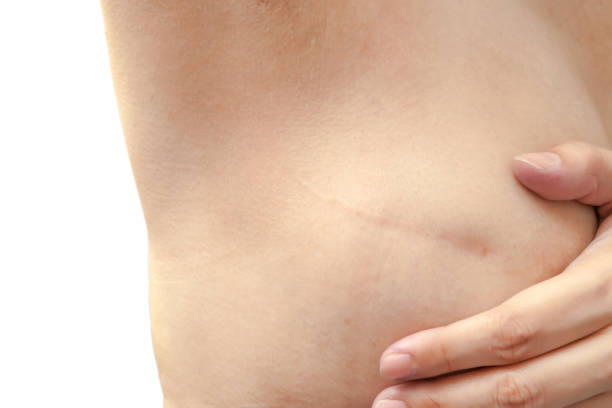
Breast cancer is one of the most common cancers affecting women worldwide, with millions diagnosed each year. In India, too, the incidence of breast cancer has been on a continuous rise and therefore is considered a major health problem among women. According to recent statistics, one out of 28 Indian women is expected to develop breast cancer sometime in her lifetime. With early diagnosis coupled with advanced treatments, there has been a remarkable increase in the rate of survival.
According to Dr. Sandeep Nayak, one of the highly acclaimed surgical oncologists in India, “Breast cancer treatment today offers more options and better outcomes, especially with early detection and precise, personalized care.” Surgery is one of the most important aspects of the mode of treatment, and that may involve various kinds depending upon the stage and location of the cancer.
Dr. Sandeep Nayak and his team at MACS Clinic are committed to providing comprehensive breast cancer treatment from advanced surgical options including robotic & minimally invasive breast cancer surgery in Bangalore. Over the last two decades, Dr. Nayak has helped many patients cope throughout their journey by providing the most effective and personalized care.
Types of Breast Cancer Surgery
There are various surgical options for breast cancer. It is vital to be aware of the choices available for making a proper informed decision in this regard. The following outlines some of the common types of breast cancer surgeries:
1. Lumpectomy Surgery (Breast-Conserving Surgery)
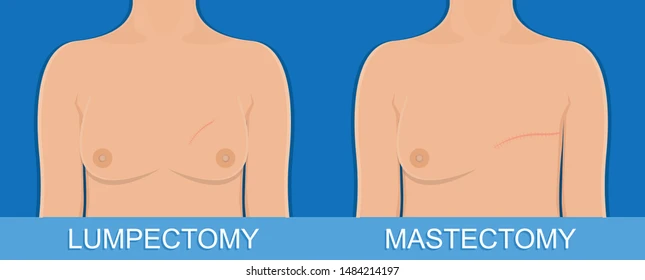
A lumpectomy involves removing only the tumor and a small margin of normal tissue surrounding the tumor, while leaving the remainder of the breast intact. This is usually advisable in the early stage of the disease where the tumor is small and localized. It permits conserving a good cosmetic appearance of the breasts, while still treating the malignancy.
According to Dr. Sandeep Nayak, lumpectomy is often a good option for patients with early-stage breast cancer because it offers a good balance between removing the cancer and preserving the shape of the breast.
2. Mastectomy
A mastectomy is a surgical procedure that involves the total removal of breast tissue. Depending on the volume of tissue removed, there are various kinds of mastectomies, such as total mastectomy, modified radical mastectomy, and radical mastectomy. It is usually indicated in conditions where the spread of cancer is greater or if the patient prefers the removal of the breast entirely for reduced recurrence risk.

3. Axillary Lymph Node Dissection
Axillary lymph node dissection is a surgical operation in which lymph nodes underneath the arm are removed to check for cancer spread. It is commonly performed in conjunction with mastectomy/lumpectomy if the spread of cancer beyond the breast is already suspected. Thereafter, the lymph nodes are used to determine the stage of the cancer and thus to help decide on further treatment, which might include chemotherapy or radiation.
“Lymph node involvement is one of the most important determinants of breast cancer staging and treatment planning, and axillary dissection is an important part of the treatment,” says Dr. Sandeep Nayak.

4. Sentinel Lymph Node Biopsy
The sentinel lymph node biopsy is less invasive as compared to the axillary lymph node dissection. This involves removing only the first few lymph nodes that will most probably be affected by the cancer. If these nodes are free of cancer, it is unlikely that the cancer has spread further. This technique reduces the risk of complications and side effects associated with removing a large number of lymph nodes.

4. Sentinel Lymph Node Biopsy
The sentinel lymph node biopsy is less invasive as compared to the axillary lymph node dissection. This involves removing only the first few lymph nodes that will most probably be affected by the cancer. If these nodes are free of cancer, it is unlikely that the cancer has spread further. This technique reduces the risk of complications and side effects associated with removing a large number of lymph nodes.
5. Reconstructive Surgery
After breast cancer surgery, many patients opt for reconstructive surgery to rebuild the breast. This can be done immediately after a mastectomy or at a later time. There are two main types of reconstructive surgery: breast implants and autologous tissue reconstruction (using tissue from other parts of the body). The choice of reconstructive surgery depends on the patient’s preference, body type, and medical condition.

Want to learn more about breast cancer surgeries? Connect with a professional to explore your options and find the best fit for you.
What steps are involved in preparing for surgery? Let’s review what you need to know.
Preparing for Breast Cancer Surgery
Preparing for breast cancer surgery is an essential step to ensure a smooth procedure and recovery. Here are key points to help you get ready:
1. Consultation with your surgeon:
Understand the procedure, risks, benefits, and expected outcomes. Ensure all your questions are answered.
2. Preoperative tests:
Expect blood tests, imaging (like mammograms or ultrasounds), and possibly a physical exam to assess your overall health.
3. Medication adjustments:
You may be advised to stop certain medications, especially blood thinners, or adjust any pre-existing treatment regimens.
4. Dietary changes:
Your surgeon may recommend that you fast for 8-12 hours before surgery or adjust your diet to prepare for anesthesia.
5. Plan for recovery:
Arrange for post-surgery care, such as help at home or transportation, especially after general anesthesia.
6. Support network:
Have friends, family, or a caregiver available to assist you before, during, and after the surgery.
7. Stay informed:
Understand what to expect during the recovery process, including pain management, potential side effects, and follow-up appointments.
By preparing in advance, you help ensure the best possible outcome from your surgery.
Thinking about how to minimize the tough parts of chemotherapy? Reach out to an oncologist or cancer-care team—you deserve personalized support and guidance.
What can you expect during recovery? Let’s discuss the recovery process and aftercare tips.
Recovery and Aftercare
Recovery and aftercare are crucial for healing after breast cancer surgery. Here are key points to guide you through the process:
Pain management: Expect some discomfort; follow your doctor’s advice for pain relief.
Wound care: Keep the surgical area clean and dry, and follow instructions for dressing changes to prevent infection.

Rest and activity: Rest initially, then gradually increase activity levels, avoiding heavy lifting for a few weeks.
Physical therapy: If lymph nodes were removed, physical therapy may help restore movement and reduce stiffness.
Monitor for complications: Watch for infection signs like redness or swelling and contact your doctor if needed.
Follow-up appointments: Attend all follow-up visits to track healing and address any issues.
Diet and hydration: Eat a balanced diet and stay hydrated to support recovery.
Emotional support: Consider counseling or support groups to manage emotional challenges.
Lymphedema care: Watch for arm swelling if lymph nodes were removed; consult your doctor if needed.
Return to normal activities: Follow your doctor’s advice about resuming work and daily activities after 4-6 weeks.
Aftercare is just as important as the surgery itself. Proper aftercare ensures better healing and minimizes complications.
After treatment, many people wonder what comes next. Let’s look at the essential steps that follow precision-based therapy.
Final Thoughts
Breast cancer surgery is a critical step in the journey toward recovery, with several surgical options available depending on the patient’s condition. Whether you undergo a lumpectomy, mastectomy, or reconstructive surgery, it is important to choose the right treatment plan in consultation with an experienced healthcare provider. Dr. Sandeep Nayak and the team at MACS Clinic offer expertise in all aspects of breast cancer treatment, from surgery to recovery, ensuring you receive the best possible care.
Everything You Should Know About Breast Cancer
Breast cancer is a common but complex disease, and understanding it is key to early detection and effective treatment. Click here to learn more about breast cancer, its causes, and how it can be treated.
Still have questions? The FAQ below clears up common doubts in simple terms.
Frequently Asked Questions
1. What is the difference between a lumpectomy and mastectomy?
A lumpectomy removes only the tumor and a small area of surrounding tissue, while a mastectomy involves removing the entire breast.
2. Can breast cancer surgery be done minimally invasively?
Yes, robotic and minimally invasive techniques are available for some surgeries.
3. Can I have a breast reconstruction after radiation therapy?
It’s possible, but your surgeon will evaluate the tissue and the timing of surgery to achieve the best outcome.
4. What are the benefits of robotic breast cancer surgery?
Robotic surgery offers greater precision, smaller incisions, and faster recovery than traditional surgical methods.
5. How often should I follow up after breast cancer surgery?
Follow-up visits are typically scheduled every few months during the first few years after surgery.