
Targeted Therapy for Breast Cancer
Breast cancer is one of the most commonly diagnosed cancers globally, affecting millions of women every year. With advancements in early detection and treatment, survival rates have significantly improved. Treatment for breast cancer typically involves a combination of surgery, chemotherapy, and radiation therapy.
One of the most promising recent developments in breast cancer treatment is targeted therapy. This approach uses drugs that specifically target cancer cells, leaving healthy cells largely unaffected.
“Targeted therapy offers a more precise way to treat cancer, focusing on specific molecules that fuel cancer growth, improving outcomes and minimizing side effects,” explains Dr. Sandeep Nayak, a globally acclaimed oncologist in India.
At MACS Clinic, Dr. Sandeep Nayak combines advanced treatment techniques with personalized care to ensure the best possible outcomes for his patients. With his competent team, he offers cutting-edge breast cancer treatment in Bangalore, including targeted therapy to provide patients with the most effective options for managing and treating this condition.
What is Targeted Therapy?
Targeted therapy is a form of cancer treatment that specifically targets the cancer cells’ unique genetic markers or proteins, while leaving healthy cells largely unaffected. Unlike traditional chemotherapy, which affects both cancerous and normal cells, targeted therapies are designed to interfere with specific molecules involved in cancer cell growth, survival, and spread.
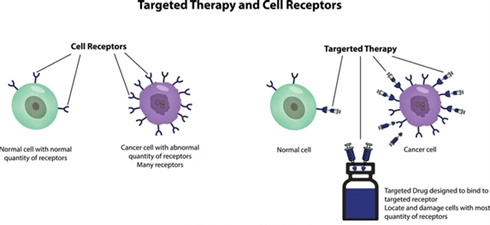
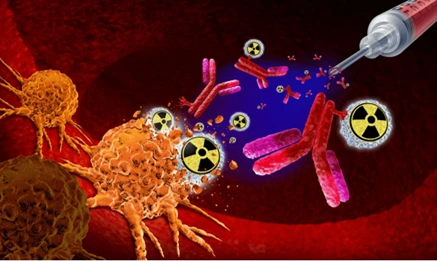
These therapies can block cancer cell signals, directly destroy cancer cells, or stimulate the immune system to attack cancer cells more effectively. Targeted therapy has emerged as a critical tool in treating various types of cancer, especially breast cancer, where certain molecular targets can be precisely targeted.
When is Targeted Therapy Used in Breast Cancer Treatment?
Targeted therapy is typically used in the following scenarios in breast cancer treatment:
1. After surgery:
This is to destroy any remaining cancerous cells, hence minimizing the risk of recurrence.
2. For advanced or metastatic breast cancer:
Tumor growth and symptom management in case the cancer spreads to other body parts can be achieved through targeted therapy.

The combination of targeted therapy with chemotherapy, hormonal therapy, or immunotherapy is usually used to enhance treatment efficiency.
4. Specific breast cancer subtypes:
Targeted therapy is particularly effective for certain breast cancer subtypes like HER2-positive and triple-negative breast cancer.
Benefits of Targeted Therapy for Breast Cancer Patients
1. Precision:
Targeted therapy specifically targets cancer cells, reducing damage to healthy cells and tissues.
2. Fewer Side Effects:
Because it works more selectively than traditional chemotherapy, patients often experience fewer side effects.
3. Effective for Specific Subtypes:
Especially beneficial for HER2-positive and triple-negative breast cancers.
4. Improved Survival Rates:
By halting cancer cell growth and spread, targeted therapy can significantly improve long-term survival rates.
5. Reduced Risk of Recurrence:
When used post-surgery, it helps reduce the risk of cancer recurrence by targeting residual cancer cells.
Types of Targeted Therapy for Breast Cancer
1. HER2-targeted therapies:
Used for HER2-positive breast cancer, these therapies block the HER2 protein, which promotes cancer cell growth. Common drugs include trastuzumab (Herceptin) and pertuzumab (Perjeta).
2. CDK4/6 inhibitors:
These are used in hormone receptor-positive breast cancers to block proteins that promote cancer cell growth. Examples include palbociclib (Ibrance) and ribociclib (Kisqali).

3. PI3K inhibitors:
These target the PI3K/AKT/mTOR pathway, which promotes cancer cell growth. Alpelisib (Piqray) is one such drug used in specific cases of breast cancer.
4. Angiogenesis inhibitors:
These drugs block the blood supply to the tumor, stopping it from growing. Bevacizumab (Avastin) is an example used in advanced breast cancer.
How Targeted Therapy is Administered

Intravenous (IV) infusion:
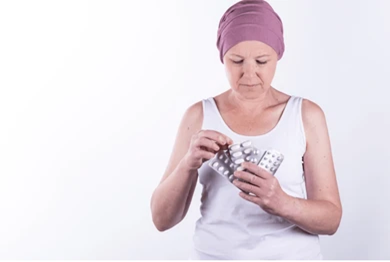
Oral medications:
Subcutaneous injections:
The frequency of administration varies according to the type of targeted therapy and treatment plan. Regular monitoring is done to assess effectiveness and manage side effects.
Why Choose Targeted Therapy at Our Breast Cancer Center?
1. Personalized Care
2. Advanced Treatments
3. Holistic Approach
4. Expertise in Complex Cases
5. State-of-the-Art Facilities
Success Rates and Outcomes of Targeted Therapy
Targeted therapy has shown significant improvements in treatment outcomes for patients with specific breast cancer subtypes. For HER2-positive breast cancer, treatments like Herceptin have dramatically increased survival rates and reduced recurrence.
When used in combination with chemotherapy or hormonal therapy, targeted therapies can help patients achieve long-term remission and improved quality of life. In some cases, targeted therapy has allowed patients with advanced cancer to live longer with better symptom control.
While success rates depend on individual factors like the cancer’s stage and subtype, many patients experience positive outcomes with targeted therapy.

FAQs
1. How does targeted therapy work?
2. When is targeted therapy used in breast cancer treatment?
3. What are the side effects of targeted therapy?
4. Can targeted therapy be used for advanced breast cancer?
5. Is targeted therapy the same as chemotherapy?
Disclaimer: The information provided here is for educational use only and not to promote.