
Stages of Breast Cancer
Introduction
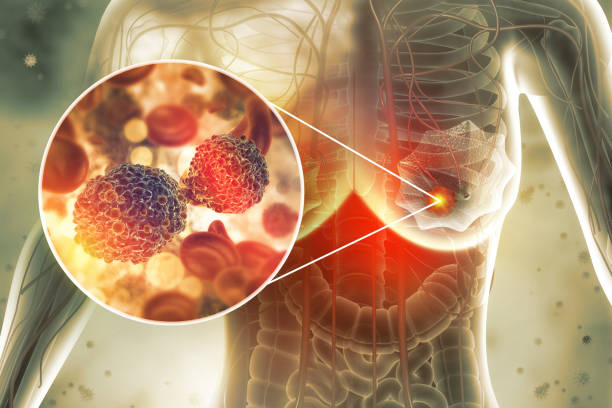
Hearing the words “breast cancer” can shake anyone’s world. It often brings fear, uncertainty, and a flood of questions about what comes next. One of the first steps after a diagnosis is to figure out the stage of the disease. This staging process is essential because it tells doctors how far the cancer has progressed and helps them plan the most effective treatment.
To do this, specialists use the internationally accepted TNM system, which looks at three things—
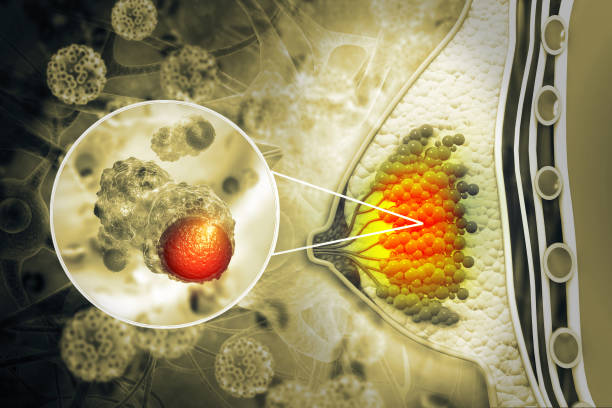
- how large the tumor is (T)
- whether lymph nodes are involved (N)
- if the cancer has spread to distant parts of the body (M)
Together, these details paint a clear picture of the disease. Early detection and accurate staging are vital because survival rates can be significantly improved when treatment is tailored to the stage of cancer.
Dr. Sandeep Nayak, a distinguished surgical oncologist based in Bangalore, explains:
“Breast cancer staging is not just a label; it is the backbone of treatment planning. By carefully evaluating tumor size, lymph node involvement, and spread to other organs, we create a roadmap for therapy. The goal is not only to control the disease but to offer patients the best possible outcome in both survival and quality of life.”
Worried about how staging might affect recovery and future health? Speak with an experienced oncologist for clarity and reassurance while helping you make informed decisions about care.
TNM Classification Explained
Before jumping into stage numbers, it helps to understand the TNM classification—a global standard used by oncologists. Each letter (T, N, M) gives insight into a different aspect of the disease.
But wait—what does each category really tell us? Let’s explore:
T (TUMOR SIZE)
This describes how large the primary tumor is and whether it has spread into nearby tissue:
Tis: Carcinoma in situ (DCIS/LCIS) – early form confined to ducts or lobules.
T1: Tumor ≤2 cm
- T1mi: ≤1 mm
- T1a: >1 mm and ≤5 mm
- T1b: >5 mm and ≤10 mm
- T1c: >10 mm and ≤20 mm
T2: Tumor >2 cm and ≤5 cm

T3: Tumor >5 cm
T4: Tumor of any size with advanced features:
- T4a: Chest wall extension
- T4b: Skin ulceration, nodules, or edema
- T4c: Combination of T4a and T4b
- T4d: Inflammatory breast cancer
N (LYMPH NODE STATUS)
Lymph nodes are small immune structures where cancer often spreads first:
- N0: No lymph node involvement
- N1: 1–3 axillary or internal mammary nodes affected
- N2: 4–9 axillary nodes or clinically obvious internal mammary nodes
- N3: ≥10 axillary nodes or spread to infraclavicular nodes
M (METASTASIS)
Metastasis shows if cancer has traveled to distant organs:
- M0: No spread to distant sites
- M1: Distant metastasis is present
Dr. Sandeep Nayak, a pioneering oncologist in Bangalore, notes:
“The TNM system allows us to categorize cancer in a structured manner. This ensures that two patients with similar disease characteristics receive comparable treatment, regardless of where they live. It also standardizes research globally, so advances in one country can benefit patients worldwide.”
Stage-Wise Description and Treatment
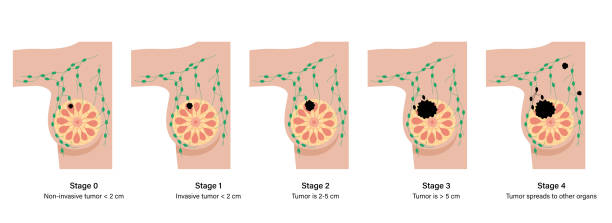
Breast cancer stages are numbered from 0 to IV. Each stage represents a different degree of disease progression, which directly influences treatment.
Let’s walk through them step by step:
Stage 0 (Tis, N0, M0)
Characteristics:
- Non-invasive cancer
- Confined to ducts or lobules
- Excellent prognosis
Treatment Options:
Breast-conserving surgery (Lumpectomy)
- Mastectomy in some cases
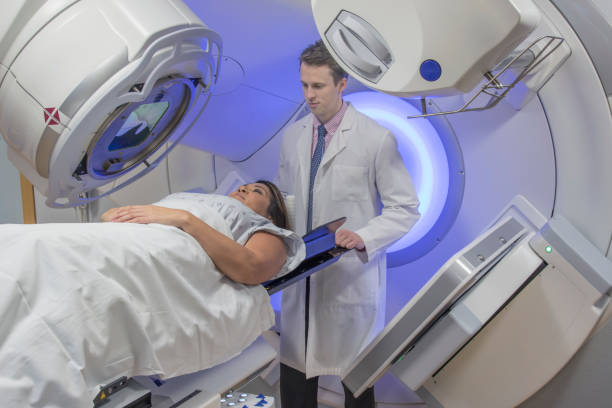
- Radiation if breast conserved
- Hormone therapy if receptor-positive
- Usually no chemotherapy required
Stage I (T1, N0, M0)
Characteristics:
- Early breast cancer
- Tumor ≤2 cm
- No lymph node involvement
Treatment Options:

Breast-conserving surgery (Lumpectomy)or mastectomy
- Sentinel lymph node biopsy
- Radiation if breast conserved
- Systemic therapy based on tumor biology
Stage II (T2–3, N0–1, M0)
Characteristics:
- Tumor between 2–5 cm or
- Limited lymph node involvement
Treatment Approach:
Surgery (conservation or mastectomy)
- Chemotherapy (before or after surgery)
- Targeted therapy for HER2-positive tumors
- Hormone therapy if receptor-positive
- Radiation therapy where indicated
Stage III (T4 or N2–3, M0)
Characteristics:
- Locally advanced disease
- Extensive node involvement
- Possible chest wall/skin changes
Treatment Strategy:
- Chemotherapy first (to shrink tumor)
- Surgery following good response
- Post-operative radiation
- Targeted and hormone therapies as appropriate
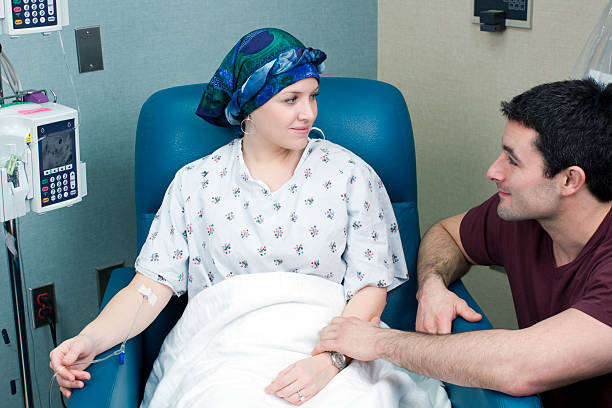
Stage IV (Any T, Any N, M1)
Characteristics:
- Distant metastasis present
- Common sites: bones, liver, lungs, brain
- Systemic therapy is mainstay
- Surgery for select cases
- Radiation for specific symptoms
- Palliative care integration
- Quality of life prioritized
Dr. Sandeep Nayak, a renowned cancer surgeon in Bangalore, emphasizes:
“Each stage demands a unique strategy. While early stages focus on cure, advanced stages emphasize disease control and patient comfort. This balance between aggressive treatment and compassionate care is what makes oncology a deeply human practice.”

Feeling unsure about what a breast cancer stage means for you or your loved one? Consult a cancer specialist to understand your options clearly and guide you toward the right treatment path.
Important Considerations
Staging is only part of the story. Several other elements influence treatment choices and outcomes.
Prognostic Factors Beyond Stage
Doctors also assess:
- Tumor grade: Aggressiveness under the microscope
- Hormone receptor status: Whether tumor grows with estrogen/progesterone
- HER2 status: Indicates benefit from targeted therapy
- Ki-67 index: Shows how quickly tumor cells are dividing
- Genomic tests: Provide deeper insights into recurrence risks
Treatment Planning
Treatment for breast cancer is never one-size-fits-all. It is carefully customized for every patient, keeping in mind both medical and personal factors. Here’s what doctors usually consider:
- Multidisciplinary approach:
Breast cancer care often involves a team of specialists—oncologists, radiologists, pathologists, and surgeons—working together. This ensures that every aspect of the disease is addressed, from accurate diagnosis to the best possible treatment sequence.
- Age and fertility considerations:
A woman’s age can influence treatment choices. Younger women may want to preserve fertility, so doctors may adjust chemotherapy plans or offer fertility-sparing techniques. Older women may require gentler approaches due to other age-related factors.
- Other health conditions:
Pre-existing illnesses like diabetes, hypertension, or heart disease play a role in planning. Doctors make sure treatments do not worsen these conditions while still being effective against cancer.
- Patient’s personal preferences:
Some patients may prefer breast-conserving surgery over mastectomy, or vice versa. Others may want to avoid certain therapies because of lifestyle or side effects. Patient voices are central in decision-making.
- Quality of life goals:
Beyond curing the disease, treatments are chosen to minimize long-term side effects, maintain daily functioning, and ensure the patient continues to live with dignity and comfort.
FAQs
What are the stages of breast cancer?
What is Stage 0 Breast Cancer?
How is breast cancer staged?
Does the stage of breast cancer affect treatment?
Can breast cancer be cured in the early stages?
How do the stages of breast cancer affect survival rates?
Disclaimer: The information shared in this content is for educational purposes and not for promotional use.