
Phyllodes Tumor for Breast Cancer
A breast lump can be unsettling, and not every lump behaves the same way. The phyllodes tumor is a rare type of breast tumor that often gets mistaken for a common, harmless lump, yet it needs careful and specific attention.
Understanding the phyllodes tumor for breast cancer matters because, while most are not cancerous, some can be. Early evaluation and the right treatment can make a real difference. This page explains what a phyllodes tumor is, how it is diagnosed, and the available cancer treatments at MACS Clinic in Bangalore, under the care of Dr. Sandeep Nayak, an ace surgical oncologist in India.
At MACS Clinic in Bangalore, Dr. Sandeep Nayak and his team provide evidence-based breast cancer prevention and treatment.
“Breast cancer prevention isn’t about eliminating risk entirely—it’s about reducing risk through timely screening, awareness, and healthy lifestyle choices,” says Dr. Nayak, an oncologist in Bangalore.
Understanding Phyllodes Tumor
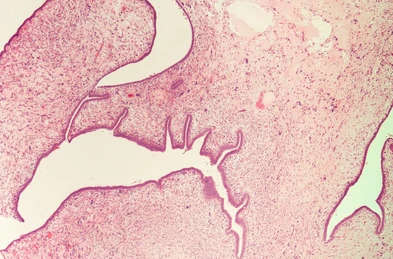
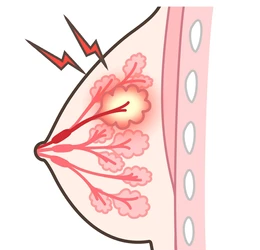
A phyllodes tumor is a rare breast tumor that develops in the connective tissue (stroma) of the breast, rather than in the milk ducts where most breast cancers begin. The name “phyllodes” comes from a leaf-like pattern seen under the microscope.
Benign. The most common type is non-cancerous, but it can still grow and return if not fully removed.
Borderline. Falls between benign and malignant in behavior.
Malignant. Cancerous and able to spread, though this is the least common type.
Most phyllodes tumors are benign, but because all three types can grow quickly and recur, every phyllodes tumor needs proper medical assessment and treatment.
Causes and Risk Factors for Phyllodes Tumor
Age. Phyllodes tumors most commonly affect women in their 40s, though they can occur at any age.
Gender. They are far more common in women, though rare cases occur in men.
Existing breast conditions. A history of fibroadenomas may be associated in some cases.

Symptoms of Phyllodes Tumor
Now, what should you actually look out for?

The most common sign of a phyllodes tumor is a breast lump, but certain features set it apart:
A firm, smooth lump that can be felt under the skin
Rapid growth. The lump may enlarge noticeably over weeks or months
A painless mass in most cases, though some may feel tender
Stretched or shiny skin over the lump if it grows large
A visible bulge in the breast in some cases
A key feature of phyllodes tumors is their rapid growth compared to common, slow-growing lumps. Any breast lump that changes or grows fast should be checked without delay.
Diagnosis of Phyllodes Tumor
Phyllodes tumors can look similar to fibroadenomas, so accurate diagnosis often needs more than one test:

Clinical examination
A doctor examines the lump for size, texture, and growth.
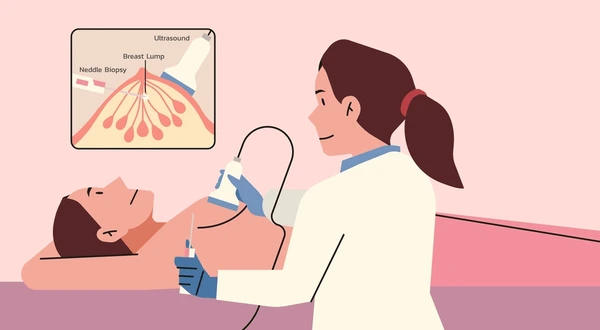
Biopsy
A tissue sample is examined under a microscope. A core needle biopsy is common, though sometimes the full lump must be removed for a definite diagnosis.
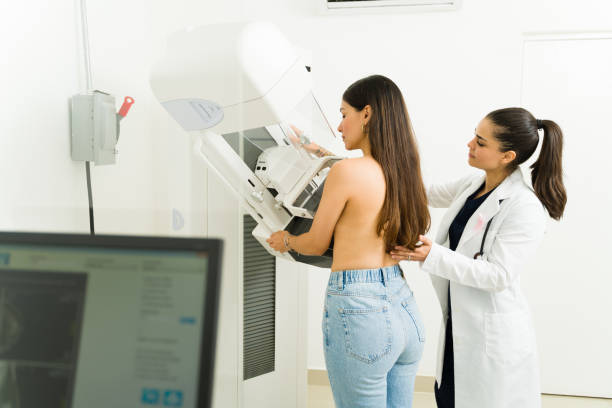
Imaging
Ultrasound and mammography help assess the lump, with MRI used in some cases.
As phyllodes tumors are difficult to confirm on imaging alone, an experienced specialist team is essential. Accurate diagnosis decides the right treatment and helps avoid both under-treatment and over-treatment.
Treatment Options for Phyllodes Tumor
The good news: with the right treatment, the outlook is strong.
Surgery is the main treatment for all types of phyllodes tumors. The goal is complete removal with a margin of healthy tissue to reduce the chance of recurrence:

- Wide local excision. The tumor is removed along with a clear margin of surrounding healthy tissue. This is the most common approach.

- Mastectomy. Removal of the breast may be needed for very large or malignant tumors, or when the tumor returns.

- Radiation therapy. Sometimes advised for borderline or malignant tumors, or after surgery to lower the recurrence risk.
- Limited role of chemotherapy. Unlike common breast cancers, phyllodes tumors usually do not respond well to chemotherapy, so it is used only in select cases.
Post-Treatment Care and Monitoring

Regular follow-up visits. Periodic check-ups help detect any recurrence early.
Imaging. Ultrasound or mammography may be advised at intervals to monitor the breast.
Self-awareness. Patients are encouraged to report any new lump or change promptly.
Recovery support. Guidance on wound care, activity, and emotional well-being after surgery.
Most patients do very well after treatment, especially with benign tumors. Consistent follow-up offers reassurance and helps catch any change at the earliest stage.
Frequently Asked Questions
1. Is a phyllodes tumor the same as breast cancer?
Not exactly. Most phyllodes tumors are benign, but malignant types are cancerous and can spread.
2. What are the symptoms of a phyllodes tumor?
The main sign is a firm, often painless breast lump that may grow quickly over weeks or months.
3. Can a phyllodes tumor come back?
Yes. Phyllodes tumors, even benign ones, can recur, which is why complete removal and follow-up are essential.
4. Is a phyllodes tumor dangerous?
Most are benign and treatable. Malignant types are more serious but still treatable, especially when caught early.
5. Will I lose my breast if I have a phyllodes tumor?
Not usually. Most cases are treated with local excision. Mastectomy is reserved for large, malignant, or recurrent tumors.