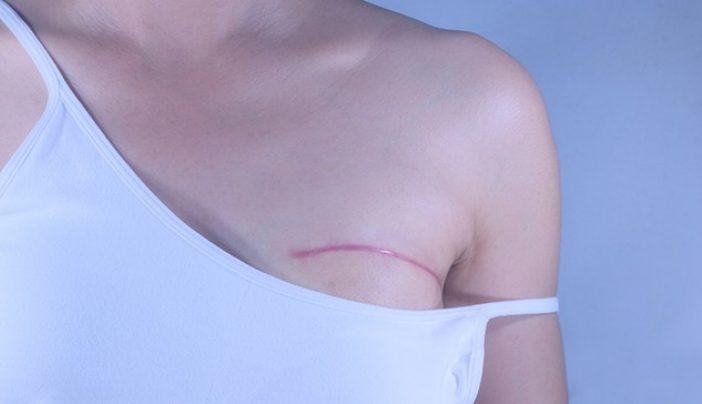
Recovery after breast cancer surgery ranges from a few days for a lumpectomy to several weeks for a mastectomy with reconstruction. Most patients deal with soreness, limited arm movement and surgical drains in the first two weeks, followed by a gradual return to...
Mastectomy is a major step in breast cancer treatment that involves removing cancer without compromising a patient’s health. But the physical changes after breast removal surgery can also affect your body image and emotional health. Breast reconstruction after...
Breast cancer in young women, typically those under 40, is less common but tends to be more aggressive with higher-grade tumors, denser breast tissue, and a lower likelihood of hormone-receptor-positive subtypes. Routine mammogram screening doesn’t start until...
A mastectomy is a surgical procedure that removes all or most of the breast tissue, usually to treat breast cancer or reduce the risk of it developing. Surgeons choose from several mastectomy types depending on the tumor’s size, location, and whether the skin or...
After breast cancer surgery, patients enter a structured recovery phase that includes wound healing, drain removal, pathology review, and planning for adjuvant treatment such as radiation, chemotherapy, or hormone therapy. Most women are discharged within one to three...