Breast Cancer Seen in Young Women

Breast cancer can occur in younger women, although it is more commonly diagnosed in older age groups. A diagnosis at a younger age may involve unique considerations, including tumor characteristics, treatment choices, fertility concerns, and long-term quality of life.

Breast cancer in young women may sometimes be diagnosed later, as symptoms can be overlooked or mistaken for normal hormonal variations. Recognizing unusual breast changes and seeking timely evaluation can help identify the disease at a stage when more treatment options are available.

According to Dr. Sandeep Nayak, a globally recognized surgical oncologist in India, “Breast cancer does not always follow age-related patterns. Any persistent breast change in a young woman should be evaluated, as early diagnosis and personalized treatment planning can significantly improve outcomes.”

With years of experience in advanced breast cancer care, Dr. Nayak specializes in breast-conserving surgery, oncoplastic techniques, and minimally invasive approaches. His expertise in breast cancer treatment in Bangalore focuses on accurate diagnosis, personalized treatment planning, effective cancer control, and preserving quality of life through advanced surgical and therapeutic strategies.

This blog explains why breast cancer can occur in young women, its symptoms, risk factors, screening methods, diagnosis, and treatment options available for younger patients.

Can Young Women Develop Breast Cancer?

Yes, young women can develop breast cancer, although it is less common compared with older age groups. Breast cancer in women under the age of 40 accounts for a smaller percentage of all breast cancer cases, but it remains an important health concern.

Younger women may face additional challenges because:

Close-up of a person in a white tank top placing a hand over their chest, as if performing a breast self-exam.
Breast changes may not always be recognized early
Routine mammography screening is generally not started at younger ages unless risk factors are present
Some cancers in younger women may have aggressive biological features
Treatment decisions may need to consider fertility, pregnancy planning, and long-term quality of life
A breast lump or any unusual breast change should not be ignored simply because of age. Timely consultation with a breast specialist can help determine whether further evaluation is needed.
What makes breast cancer in younger women unique? Let’s explore the factors that differentiate breast cancer at a younger age.

Why Is Breast Cancer in Young Women Different?

Breast cancer in young women may differ from breast cancer in older women in several ways.

More Aggressive Tumor Characteristics

Some younger patients may develop breast cancers that grow faster or have specific biological characteristics requiring specialized treatment approaches.

Later Diagnosis

Since breast cancer is less expected in younger women, symptoms may sometimes be ignored or attributed to hormonal changes or benign conditions.

Genetic Factors

Young women diagnosed with breast cancer may have a higher possibility of hereditary factors, including genetic mutations such as BRCA1 and BRCA2.
Pink breast cancer awareness infographic featuring a woman, a large breast diagram, and bullet points on risk, diagnosis, and personalized care.

Fertility Considerations

Treatment planning may need to consider future pregnancy goals, as chemotherapy and some hormonal treatments can affect fertility.

Emotional and Social Impact

    A breast cancer diagnosis at a young age can affect career plans, family responsibilities, relationships, and emotional well-being.

    Early evaluation of breast changes can help detect cancer at the right time. Get in touch with a specialist for personalized guidance.
    What breast changes should young women pay attention to? Let’s explore the symptoms that require medical evaluation.

    Symptoms of Breast Cancer in Young Women

    Common symptoms of breast cancer may include:

    Breast Lump

    A new lump or thickened area in the breast or underarm is one of the most common warning signs.

    Changes in Breast Shape or Size

    Unusual changes in breast appearance or symmetry should be evaluated.

    Nipple Changes

    Warning signs may include:

    • Nipple discharge, especially bloody discharge
    • Nipple inversion
    • Persistent irritation or changes around the nipple

    Skin Changes

    Breast cancer may cause:

    • Skin dimpling
    • Redness
    • Thickening of breast skin
    • Appearance similar to orange peel texture
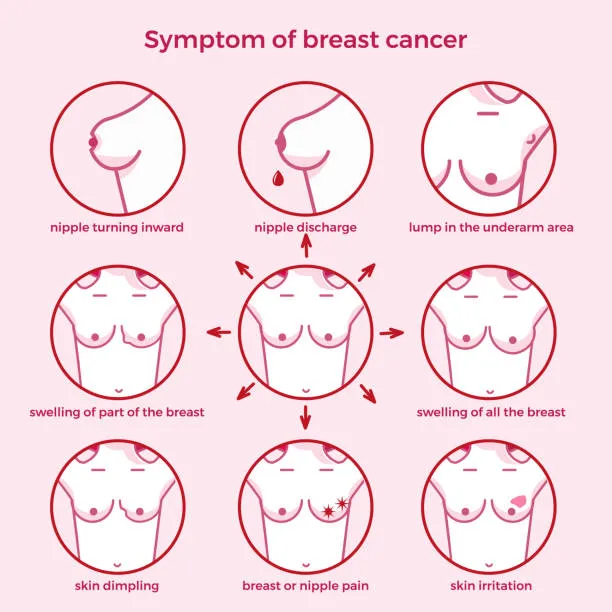
    Nipple turning inward in a breast diagram (informational) on pink infographic surface? No, keep concise: Nipple turning inward in a breast diagram.

    Persistent Breast Pain

    While most breast pain is not cancer-related, persistent or unusual discomfort should be assessed.

    Understanding these symptoms can help young women seek timely medical advice.

    What increases the risk of breast cancer at a younger age? Let’s explore the factors that may contribute to breast cancer risk.

    Risk Factors for Breast Cancer in Young Women

    Risk factors include:

    Family History

    Women with close relatives diagnosed with breast or ovarian cancer may have increased risk.

    Genetic Mutations

    Inherited mutations such as BRCA1 and BRCA2 can significantly increase breast cancer risk.
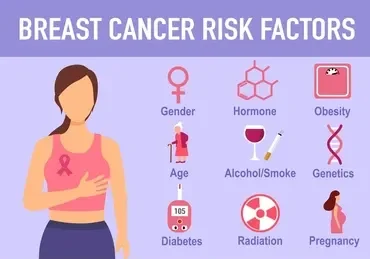
    Infographic listing breast cancer risk factors: female gender, age, obesity, hormones, alcohol/smoking, genetics, diabetes, radiation, and pregnancy.

    Previous Radiation Exposure

    Radiation therapy to the chest area at a young age may increase future risk.

    Hormonal Factors

    Early menstruation, late menopause, and certain hormonal influences may contribute to risk.

    Lifestyle Factors

    Factors such as obesity, alcohol consumption, and physical inactivity may increase risk.

    Dense Breast Tissue

    Dense breast tissue can make detection more challenging and may also be associated with increased risk.
    How can breast cancer be detected early in younger women? Let’s explore the screening methods and awareness practices that support early detection.

    Breast Cancer Screening and Detection in Young Women

    Routine breast cancer screening recommendations vary based on age and risk factors. However, young women should be aware of their normal breast appearance and report any unusual changes.

    Detection methods may include:

    Woman in a white sleeveless top and blue jeans adjusts her chest while looking at herself in a mirror in a bedroom.

    Breast Self-Awareness

    Understanding normal breast appearance and identifying new changes is important.
    Healthcare worker in gloves administering a vaccination to a woman's upper arm.

    Clinical Breast Examination

    A specialist can examine breast changes and recommend further tests.
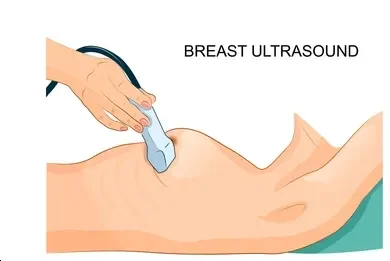
    Illustration of a breast undergoing ultrasound with a technician's hand placing a transducer on the breast to image tissue.

    Ultrasound

    Breast ultrasound is often useful for evaluating lumps, especially in younger women with dense breast tissue.
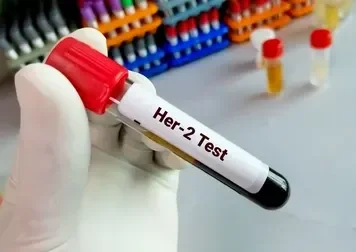
    Gloved hand holding a capped test tube labeled 'Her-2 Test' in a busy lab.

    Receptor Testing

    Tests for hormone receptors and HER2 status help doctors understand tumor behavior and plan treatment.
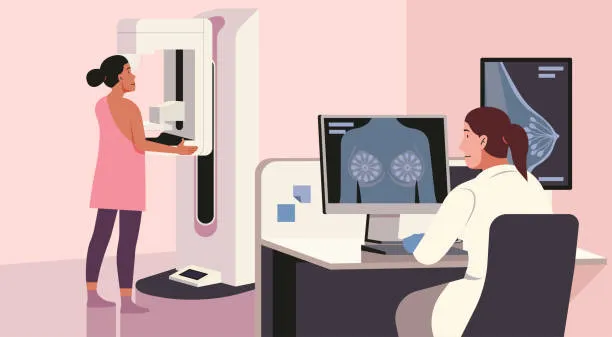
    Woman undergoing an MRI scan: a patient stands beside a large MRI machine while a radiologist reviews MRI images on a computer monitor nearby.

    Mammography

    Mammography may be recommended for women with symptoms or higher risk factors.
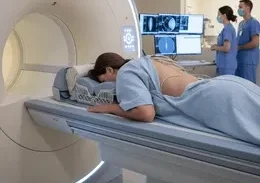
    Patient lying on MRI table preparing for scan as a large MRI machine stands beside with medical staff and monitors in the background

    MRI Breast

    Breast MRI may be advised for women with genetic risk or very high-risk profiles.
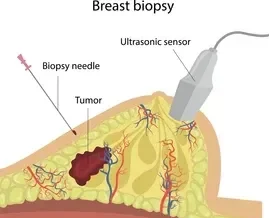
    Cross-sectional diagram of a breast showing a biopsy needle targeting a tumor with an ultrasound probe nearby and labeled vessels and tissue.

    Biopsy

    A biopsy involves removing a small tissue sample to confirm whether cancer cells are present.
    If you have concerns about breast symptoms or your risk factors, connect with an experienced breast cancer specialist for timely evaluation.
    What treatments are available after diagnosis? Let’s explore the options used to treat breast cancer in younger patients.

    Treatment Options for Breast Cancer in Young Women

    Treatment depends on the cancer type, stage, tumor biology, and individual patient factors.
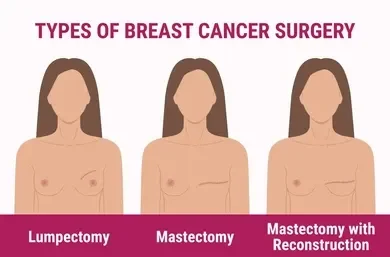
    Illustration of three female silhouettes representing breast cancer surgery options: lumpectomy, mastectomy, and mastectomy with reconstruction.

    Surgery

    Surgery is often a key part of breast cancer treatment.
    Options may include:

    Read More..

    Options may include:

    • Breast-conserving surgery (lumpectomy)
    • Mastectomy
    • Sentinel lymph node biopsy
    • Lymph node surgery when required

    MACS Clinic offers advanced breast cancer surgery in Bangalore, combining surgical expertise and modern techniques to provide precise treatment while prioritizing patient outcomes.

    Healthcare professional prepares an IV drip for a patient, adjusting the IV bag and syringe in a clinical setting.

    Chemotherapy

    Chemotherapy may be recommended before or after surgery depending on cancer characteristics.
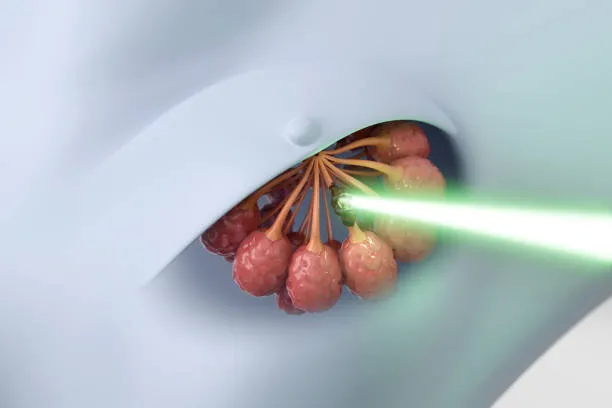
    Close-up of a dental laser procedure inside the mouth, with a green laser beam targeting pink tissue or material.

    Radiation Therapy

    Radiation therapy is commonly used after breast-conserving surgery and in selected cases after mastectomy.
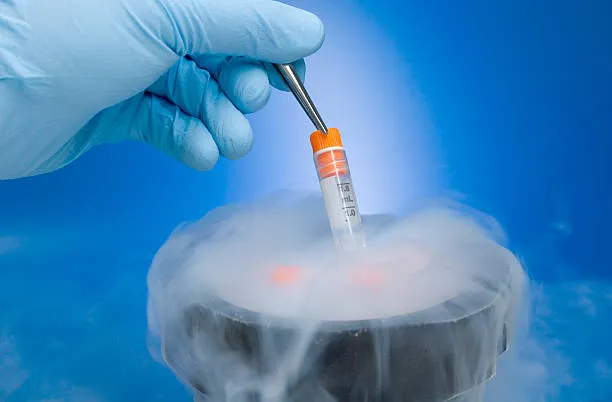
    Gloved hand with tweezers placing a small test tube into a fog-filled container in a lab setting.

    Fertility Preservation

    Young women may discuss fertility preservation options before starting treatment.
    Patient lying on MRI table preparing for scan as a large MRI machine stands beside with medical staff and monitors in the background

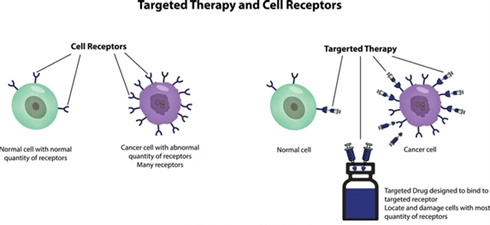
    Targeted Therapy

    HER2-positive breast cancers may benefit from targeted medicines.

    Hormonal Therapy

    Hormone receptor-positive cancers may be treated with medicines that block hormonal stimulation.

    When should breast changes be medically evaluated? Let’s explore situations where expert consultation is recommended.

    When Should a Young Woman See a Breast Specialist?
    A young woman should consult a breast specialist if she notices:
    A new breast lump
    Persistent breast pain with other changes
    Nipple discharge
    Changes in breast skin
    Changes in nipple appearance
    Enlarged lymph nodes
    A family history of breast cancer
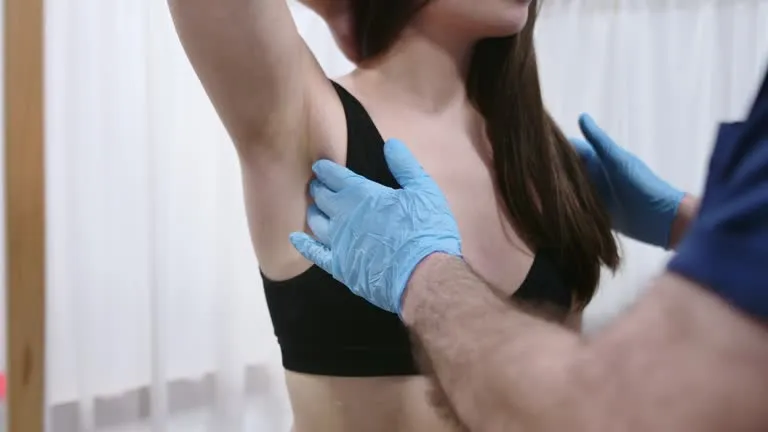
    Healthcare professional wearing blue gloves palpating a woman's armpit during a breast exam.
    Early evaluation does not always mean cancer is present, but it helps identify problems at an earlier stage.

    Conclusion

    Breast cancer can occur in young women, and recognizing early warning signs is essential for timely diagnosis and treatment. Although younger patients may face unique challenges, advances in breast cancer care have improved outcomes through personalized treatment approaches and modern surgical techniques.

    Dr. Sandeep Nayak provides comprehensive cancer treatment in Bangalore, offering advanced breast cancer surgery and multidisciplinary care focused on achieving effective treatment outcomes while preserving quality of life.

    If a young woman notices any unusual breast changes, seeking expert medical evaluation can help ensure appropriate diagnosis and timely care.

    FAQs

    1. Can young women get breast cancer?
    Yes, breast cancer can occur in young women, although it is less common compared with older age groups.
    2. What are the early signs of breast cancer in young women?
    Early signs include a breast lump, nipple changes, skin changes, unusual discharge, or persistent breast changes.
    3. Is breast cancer more aggressive in young women?
    Some breast cancers in younger women may have aggressive characteristics, but treatment outcomes depend on many factors.
    4. Should young women get breast cancer screening?
    Screening depends on age, risk factors, and family history. High-risk women may need earlier screening.
    5. Can breast cancer occur without a family history?
    Yes. Many women diagnosed with breast cancer do not have a known family history.

    References:

    1. National Cancer Institute – Breast Cancer Information
      https://www.cancer.gov/types/breast
    2. American Cancer Society – Breast Cancer in Young Women
      https://www.cancer.org/cancer/types/breast-cancer.html

    Disclaimer: The information provided here is for educational use only and not to promote.

    Call Now Button