
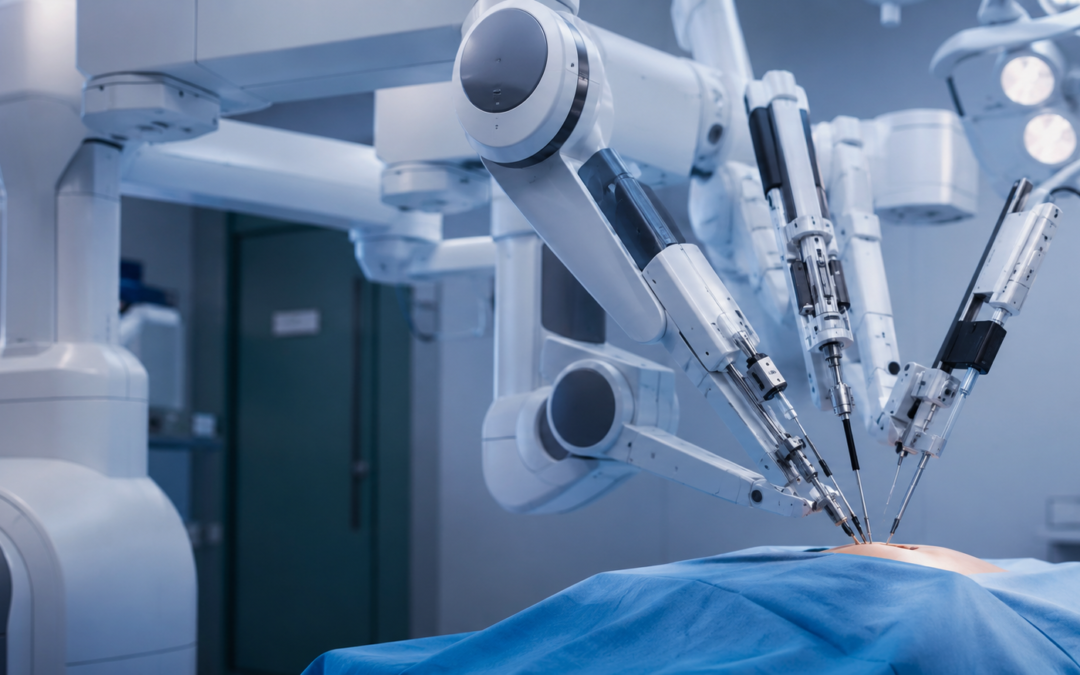
Robotic breast cancer surgery, including nipple sparing mastectomy performed with robotic assistance, is generally regarded as safe and effective at controlling cancer for suitable candidates. Many patients see the benefit in scars that stay hidden, better retention of nipple sensation and a quicker return to daily activity. Even so, this remains a minimally invasive technique, and it doesn’t suit every patient or every tumor. Eligibility comes down to individual anatomy, tumor characteristics and overall health.
According to Prof. Dr. Sandeep Nayak, an expert in Breast Cancer Surgery in Bangalore, “Robotic surgery is a tool that offers greater precision through a smaller incision, allowing more healthy tissue to be preserved around the tumor. Its safety depends on two factors above all: appropriate patient selection and the surgeon’s experience with the system. When both are in place, outcomes are comparable to conventional surgery, often with a better cosmetic result.”
Wondering if robotic surgery is the right fit for your case?
What Makes Robotic Breast Cancer Surgery Safe?
Robotic surgery’s safety record depends on several factors working together, not on the technology alone.
- Precision: Robotic instruments move with a control the human hand simply can’t match on its own, which helps preserve healthy tissue around the tumor.
- Smaller incisions. Less cutting, less wound risk, and usually a scar that’s easier to live with.
- Magnified visualization: Surgeons work with a high definition, magnified view of the surgical field, which improves accuracy near sensitive structures.
- Surgeon expertise: Outcomes depend on whether the surgeon is formally trained in robotic technique and performs a high volume of these procedures regularly.
Not every tumor suits this approach, and not every patient does either. Our page on breast cancer surgery options explains how the surgical technique gets chosen case by case.
What Do Studies Say About Robotic Breast Surgery Outcomes?
Research on robotic breast surgery is still expanding, and current findings are largely favorable.
- Complication rates: Several studies report rates similar to, or lower than, conventional breast conserving surgery, including fewer wound infections.
- Operative time. Often longer, mostly due to setup. Outcomes don’t seem to suffer for it.
- Cosmetic results: Cosmetic scoring tends to favor robotic and minimally invasive approaches, largely thanks to smaller, better placed incisions.
- Cancer control: Recurrence and margin positivity rates in current research stay comparable between robotic and conventional techniques.
How fast the disease is progressing at diagnosis also shapes which surgical approach makes sense. Our blog on how fast breast cancer spreads covers how tumor behavior factors into that decision.
Why Choose Dr. Sandeep Nayak for Breast Cancer Care in Bangalore?
Dr. Sandeep Nayak brings over 20 years of surgical oncology experience to breast cancer care. DNB in Surgical Oncology and General Surgery, MRCS from the UK, and a fellowship in Laparoscopic and Robotic Surgical Oncology. He’s the recipient of the K Subhramanyam Robotic Innovation Award 2023 and serves as Executive Director of Surgical Oncology and Robotic Surgery, at KIMS Hospital, Bangalore. Because the technique only helps when it’s used on the right patient, his robotic practice leans on careful patient selection.
Every robotic case starts with a detailed look at tumor size, location and overall health before the approach gets confirmed. Precision instruments and magnified imaging support cleaner margins with less tissue disturbance. Diagnosis, surgery, recovery, patients are walked through all of it as one plan. Call +91 9482202240 to book your consultation.
FAQ
Is robotic breast cancer surgery safe?
Yes, it’s safe for most eligible patients when performed by trained, experienced surgeons.
How is robotic surgery different from conventional surgery?
Robotic surgery uses smaller incisions, offering similar cancer control with less visible scarring.
Does robotic surgery increase complication risk?
Complication rates are comparable to conventional surgery, with some studies showing fewer wound issues.
Is every patient eligible for robotic breast surgery?
Not every patient qualifies, tumor size, location and overall health decide eligibility.
References
Disclaimer
This blog is shared for educational and informational purposes only. It isn’t a substitute for professional medical advice, diagnosis or treatment.