
Lymph Node Surgery for Breast Cancer Is Changing — Here's What That Means for You
If you’ve been diagnosed with breast cancer, one of the questions your surgical team will work through with you is what to do about the lymph nodes under your arm, an area doctors call the axilla. For decades, the standard approach leaned toward removing more nodes “just in case.” New research is shifting that thinking: in many cases, removing fewer nodes is just as safe for fighting the cancer, while sparing patients from side effects that can last a lifetime.
Updated 2025–2026 recommendations from a major European breast cancer working group (AGO) reflect this shift, built on the results of several large clinical trials. Here’s what’s changed, and what it might mean if you’re facing this decision.
Why the lymph nodes under your arm matter
Breast cancer can sometimes spread first to nearby lymph nodes in the axilla before spreading further. Checking these nodes and removing cancer if it’s found there has traditionally been a standard part of breast cancer surgery. But removing lymph nodes is not without cost: it can lead to lymphedema (chronic arm swelling), numbness, reduced arm mobility, and nerve pain that can affect quality of life for years afterward.
The core message from the updated guidelines is simple: individualize the decision. Remove fewer nodes when it’s safe to do so, and reserve more extensive surgery for the situations where it actually changes outcomes.

Have questions about lymph node surgery for breast cancer? Get expert guidance on the right surgical approach for your condition.
Some patients may be able to skip lymph node surgery altogether
Research (including two major trials known as SOUND and INSEMA) has shown that certain patients can safely skip sentinel lymph node biopsy, the procedure where surgeons remove and check just the first few nodes cancer would likely spread to without it affecting their long-term survival.
This option is generally being considered for patients who have several of the following features together, not just one:
Have already gone through menopause
Have a hormone-receptor-positive, HER2-negative tumor (a common and typically slower-growing type)
Have a lower-grade tumor (grade 1 or 2)
Have a small tumor (2 cm or less)
Have no signs of cancer in the lymph nodes on clinical exam or imaging beforehand
Are planning breast-conserving surgery (a lumpectomy) followed by whole-breast radiation
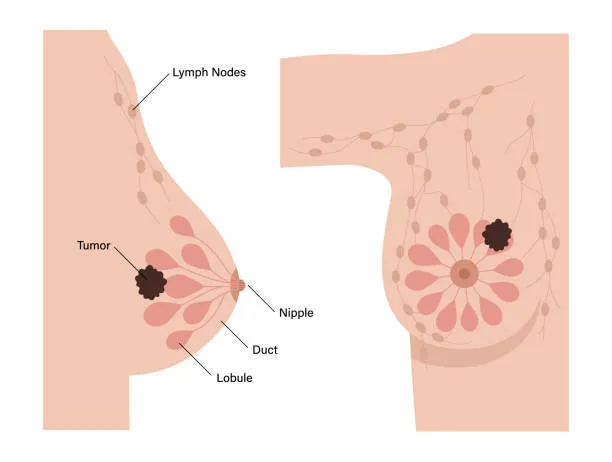
If you fit this profile, it’s worth asking your surgeon directly whether omitting node surgery is a reasonable option for your specific case; the decision still depends on your full picture, not a checklist alone.
If chemotherapy comes before surgery and nodes were involved
Many patients receive chemotherapy before surgery (called neoadjuvant chemotherapy) specifically to shrink the tumor and, often, to shrink cancer in the lymph nodes too. If a lymph node tested positive for cancer before chemotherapy, but appears clear afterward on exam, the question becomes: how much axillary surgery is still needed?
The preferred approach in these cases is now something called targeted axillary dissection (TAD). In plain terms, this means the surgeon removes the specific lymph node that was originally confirmed to contain cancer (marked with a small clip or marker at the time of the original biopsy) along with a few “sentinel” nodes rather than removing all the nodes in the armpit. Compared to older approaches, this targeted method has been shown to find cancer more reliably and produce fewer missed cases, while removing significantly less tissue.
One practical note for patients: if you’re having a lymph node biopsy before starting chemotherapy and it comes back positive, ask whether the team is placing a marker clip in that node. This step matters, it’s what allows the surgeon to precisely locate and remove that same node later.
When is full lymph node removal (ALND) still needed?
A more extensive surgery removal of most or all of the lymph nodes in the axilla, called axillary lymph node dissection (ALND) is still recommended when there’s evidence of substantial residual cancer in the lymph nodes after chemotherapy. This more invasive surgery carries a higher risk of lymphedema and other side effects, so it’s reserved for situations where the cancer burden in the nodes is significant enough that removing them is expected to meaningfully improve outcomes.
Importantly, the guidelines specify that full node removal is generally not needed just because a tiny amount of cancer is found such as isolated tumor cells or micrometastases (very small clusters of cancer cells). In these cases, the extent of residual disease matters more than simply whether a node tests positive at all.
Planning breast cancer surgery? Get clarity on lymph node surgery, treatment options, and what to expect during recovery.
The bottom line
This shift toward less invasive axillary surgery isn’t about doing less for the sake of it, it’s the result of multiple large clinical trials (including SOUND, INSEMA, ACOSOG Z0011, AMAROS, SENOMAC, and the ongoing AXSANA study) consistently showing that, for the right patients, less extensive node surgery leads to the same cancer control with meaningfully better quality of life, function, and fewer long-term side effects.
If you’re weighing your own treatment plan, it’s completely reasonable to ask your care team:
Am I a candidate for skipping lymph node surgery, or for a more limited approach?
If I need chemotherapy before surgery, will a node marker be placed in case it’s needed later?
What specifically about my case would change this recommendation?
Every case is different, and these guidelines are meant to support not replace a conversation with your own surgical and oncology team about what’s right for you.
This article is for general education and does not replace personalized medical advice. Please discuss your specific diagnosis and treatment options with your oncology care team.
Sources
- AGO Breast Commission recommendations for the surgical therapy of breast cancer: Working Group on Gynecologic Cancers (AGO) update 2025 — European Journal of Surgical Oncology
- AGO Recommendations for the Diagnosis and Treatment of Patients with Early Breast Cancer: Update 2026 — Breast Care (Karger)
- ASCO Guideline Update Calls for Omission of SLNB in Select Patients With Early-Stage Breast Cancer
- SLNB Omission in Early Breast Cancer: Clinical Implications of SOUND and INSEMA — CancerNetwork
- Targeted axillary dissection in breast cancer patients: a systematic review and meta-analysis — npj Breast Cancer
- American Society of Breast Surgeons — Management of the Axilla Resource Guide (2026)