
Finding It Before You Feel It: The Indian Woman’s Guide to Breast Cancer Screening
Introduction: The Changing Face of Breast Cancer in India
For decades, breast cancer was widely perceived as a disease that primarily affected older women in Western countries. However, the reality within our borders is shifting rapidly. Here in Bengaluru, as in many growing metropolitan areas across the country, the incidence of breast cancer is increasing significantly, making it a leading health concern for women. Even more concerningly, oncology clinics are seeing a noticeable rise in cases among younger Indian women in their 30s and 40s.
Unfortunately, a common scenario in our healthcare landscape is that a majority of cases are detected in the later, more advanced stages. This is frequently due to a lack of awareness, an ingrained fear of the diagnosis, or the cultural tendency for women to consistently put the needs of their families before their own well-being.
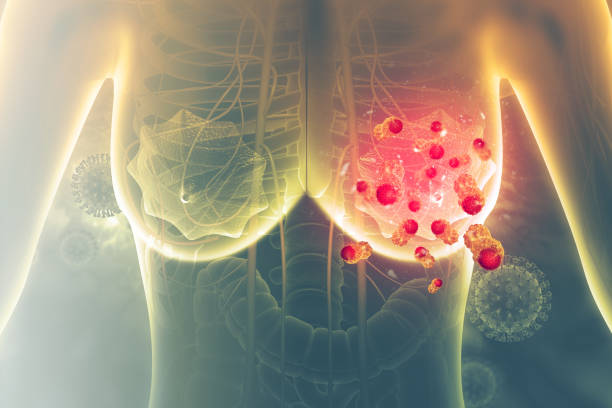
Screening flips this narrative entirely. It is the science of finding cancer before there is a palpable lump, unexplained pain, or any symptom you can feel. Because many women with early-stage breast cancer show absolutely no outward signs, regular and proactive screening is absolutely crucial.
The Power of Early Detection (The Advantages)

Screening is not about looking for bad news; it is a protective measure for your future. D etecting breast cancer in its infancy offers striking advantages:
- Higher Cure Rates: When cancer is caught early before it has spread, the chances of successful treatment and long-term survival are exceptionally high.
- Gentler Treatments: Early detection frequently allows for Breast Conservative Treatment (BCT). This means surgeons can save the breast by removing only the tumor through smaller surgeries, rather than performing a full mastectomy.
- Financial and Emotional Ease: Treating early-stage cancer requires less aggressive systemic therapies. It is significantly less physically taxing, allows for a faster return to normal life, and is much more cost-effective than managing advanced disease.
Whom to Screen and When to Screen (The Guidelines)
Because breast cancer often presents at an earlier age in Indian women, screening guidelines are specifically tailored to our demographic. The Indian Council of Medical Research (ICMR) and other health organizations recommend the following timeline:
- Women Aged 30 to 40 Years:
- Perform a Self-Breast Examination (SBE) every single month to check for lumps or subtle changes.
- Women Aged 40 to 50 Years:
- Commit to an annual Clinical Breast Examination (CBE).
- Get a mammogram every 2 years if it is advised by your consulting doctor.
- Women Above 50 Years:
- Undergo a mammogram every 2 years (or as frequently as recommended by your doctor).
- Continue your monthly self-exams and your yearly clinical exams without fail.
- High-Risk Women:
- If you have a strong family history of breast or ovarian cancer, known genetic mutations like BRCA1 or BRCA2, or experienced early menstruation (before age 12), you should consult a doctor early for a customized, proactive screening plan.
The Indian Perspective: Breaking the Barriers

Taking ownership of breast health can sometimes feel uncomfortable, but it is time to break the silence and the stigma.
- The “Fear of Finding Out”: Many women avoid screening because they are terrified of the results. We must reframe this mindset: screening does not create cancer; it is a proactive tool designed to ensure you stay healthy and catch issues when they are most curable.
- The Modesty Taboo: Discussing breast health or undergoing physical examinations can feel awkward in our culture. Please be assured that modern medical centers prioritize your privacy, dignity, and comfort, often with female technicians and doctors readily available to guide you through the process.
- Proactive Lifestyle Choices: Beyond screening, you can actively reduce your risk by maintaining a healthy weight, exercising regularly for at least 30 minutes a day, eating a balanced diet rich in whole foods, and limiting alcohol while avoiding smoking entirely.
Concluding Remarks: Take Charge of Your Health
As an Indian woman, you are often the pillar of your family, caring for everyone else first. But to continue caring for them, you must first care for yourself. Do not wait for symptoms to appear before making an appointment. Make breast cancer screening a non-negotiable part of your annual wellness routine—consider it an essential gift to yourself and the people who depend on you.
Frequently Asked Questions
Does maintenance therapy mean the cancer is gone?
It means we are actively working to keep the cancer controlled and prevent it from returning, managing it as a stable condition.
Can I take breaks from maintenance therapy?
Your care plan is individualized. Any adjustments, including breaks, must be discussed with your oncology team, who will weigh the risks and benefits.
What should I report to my doctor?
Always report any new, persistent, or worsening symptoms, even if they seem minor, as these help your team ensure your maintenance plan is working safely.
Reference
1. NCCN Clinical Practice Guidelines in Oncology (NCCN Guidelines®) – Breast Cancer, Version 2.2026.
Disclaimer:This information is for educational purposes only and does not replace professional medical advice. Always consult your oncology team at your clinic for decisions regarding your specific treatment path.