

Yes, studies that followed women who had a baby after treatment haven’t found a higher chance of the cancer coming back. Pregnancy after breast cancer treatment does take some planning, though. Timing, the medicines you’re still on and what treatment did to your ovaries all matter, and they’re different for everyone.
According to Prof. Dr. Sandeep Nayak, an oncologist for Breast Cancer Surgery in Bangalore, “Women often ask this very early, and for many of them the answer is yes. We haven’t seen good evidence that a pregnancy brings the cancer back. What I’d ask is that you plan it with your care team. Think about fertility before treatment begins, and agree on the timing, and on any break from your medicines, well before you start trying.”
Wondering about pregnancy after breast cancer treatment?
How Does Breast Cancer Treatment Affect Fertility?
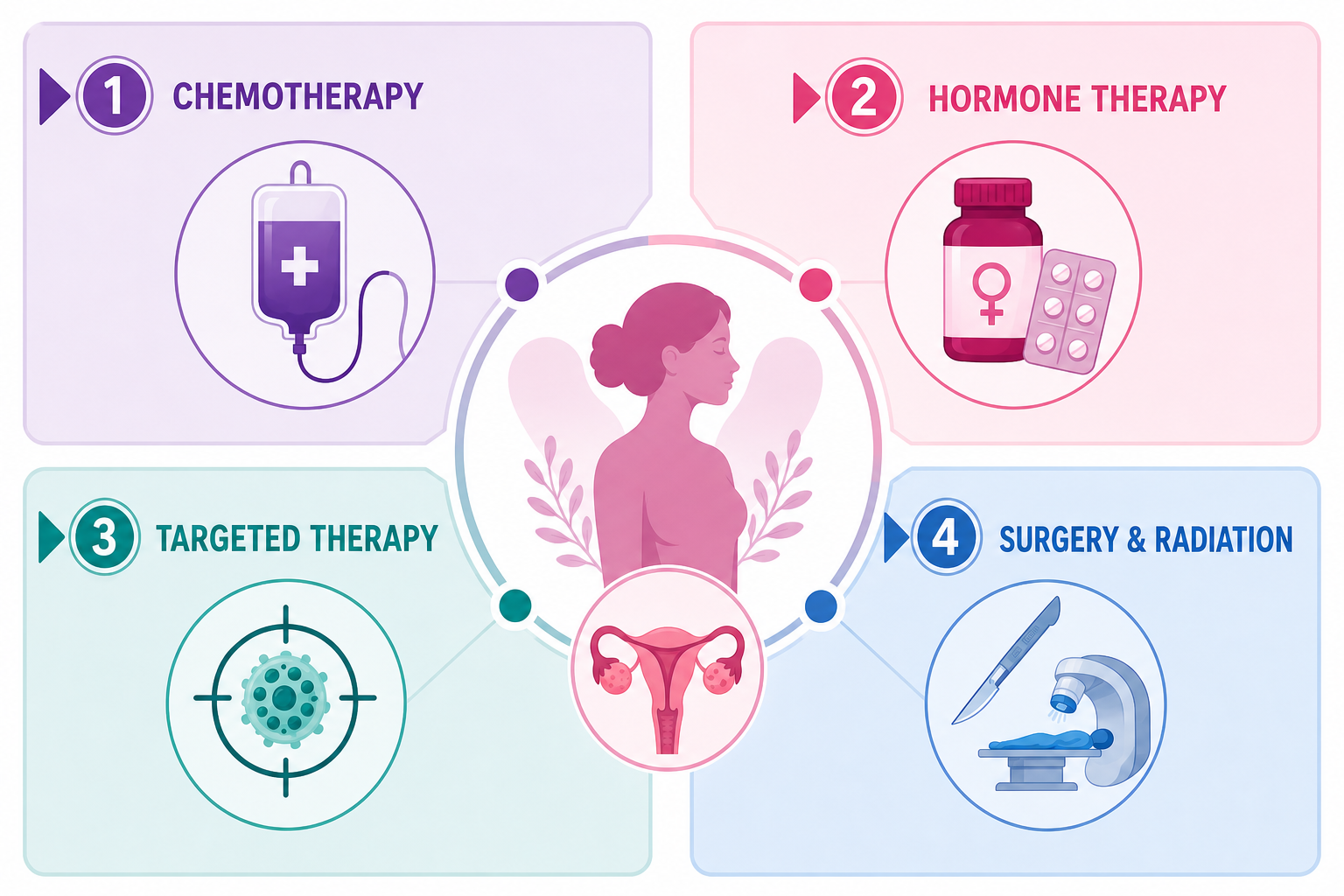
Fertility after breast cancer treatment depends on what you had and how old you were. Each treatment works a little differently:
- Chemotherapy: Some drugs lower the number of eggs you have. How much depends on the drug, the dose and your age. If you were in your 20s or early 30s, your periods often return. After 35 the risk goes up. We’ve written more on chemotherapy for breast cancer and ways to reduce it’s side effects.
- Hormone therapy: Tamoxifen and similar tablets aren’t safe in pregnancy, and most women take them for 5 to 10 years. So a lot of women ask whether they can pause. Our page on hormone therapy for breast cancer explains how it works.
- Targeted therapy: If you had a HER2-targeted drug, you’ll need a gap before trying to conceive. Your oncologist will tell you how long. See targeted therapy for the details.
- Surgery and radiation: Neither touches your ovaries. The difference shows up later with breastfeeding, since a breast that’s had radiation often makes very little milk. You can read about breast cancer surgery and radiation therapy on our site.
What Should You Do Before and After Planning a Pregnancy?

So, can you get pregnant after breast cancer? Usually you can, and a few steps make it safer and more likely:
- Bring up fertility before treatment starts. Freezing eggs or embryos is the most dependable way to keep your options open. If that isn’t possible, injections that put the ovaries to rest during chemotherapy may help. This matters most for breast cancer in young women.
- Wait for your doctor’s go-ahead. Many oncologists suggest waiting around two years, especially after higher-risk cancers, because that’s when the cancer is most likely to come back. Our post on whether breast cancer can return after surgery shows how that pattern looks.
- Check your genetic risk. If you carry a BRCA or similar mutation, genetic counselling can help you think about your children’s risk. A good place to start is Is Breast Cancer Hereditary?
- Plan any hormone therapy pause with your oncologist. In the POSITIVE trial, women paused treatment for up to two years after a three-month washout, and most went back on it afterwards. Our guide to breast cancer maintenance therapy explains why restarting matters.
What Determines the Right Treatment Approach for Pregnancy After Breast Cancer?
No single timeline fits everyone. Your doctor will usually look at a handful of things:
- Stage and type of cancer: An early, lower-risk cancer leaves more room to plan than a higher-risk one. See stages of breast cancer and types of breast cancer.
- Hormone receptor status: The question of pausing therapy mostly comes up with hormone-positive cancers. Triple-negative and HER2-positive cancers bring their own questions.
- Your age and ovarian reserve: A blood test called AMH, along with a scan, gives a rough idea of how many eggs are left.
- What you’ve had, and how long ago: The time since chemotherapy, targeted therapy or your last hormone tablet can change the advice.
- Genetic and tumour testing: Results from precision oncology can shape how closely you’re followed.
What you want: Some women want a baby soon. Some want to wait, and some decide not to. Any of those is a fine answer
Key Takeaways
-
Pregnancy after breast cancer treatment is possible for many women, and studies haven’t linked it to a higher chance of recurrence.
-
Your fertility after treatment depends on your age, the drugs you had and how much time has passed.
-
Raise fertility preservation before treatment starts, because your options shrink once chemotherapy begins.
-
Tamoxifen and HER2 drugs need a planned gap. Don’t stop either one without your oncologist.
-
Get genetic counselling, your follow-up scans and your doctor’s approval before you try to conceive.
FAQ
How long should I wait to get pregnant after breast cancer treatment?
There’s no one number. Many oncologists suggest around two years after a higher-risk cancer, and some women can try sooner. Your stage, your treatment and your follow-up results set the timing.
Can I get pregnant naturally after chemotherapy?
A lot of women do, especially if they were younger when they were treated. Chemotherapy can lower your egg count, so it’s worth getting a fertility check before you start trying.
Is it safe to pause tamoxifen to try for a baby?
For some women with early hormone-positive cancer, yes. In the POSITIVE trial, a pause of up to two years didn’t raise the short-term chance of recurrence. It only works with a plan from your oncologist, and you’ll need to restart afterwards.
Can I breastfeed after breast cancer?
Often you can, usually from the breast that wasn’t treated. A breast that had radiation tends to make little or no milk. Your care team can tell you what to expect.
References
- National Cancer Institute. Pausing Breast Cancer Treatment to Conceive: https://www.cancer.gov/news-events/cancer-currents-blog/2023/pausing-breast-cancer-treatment-to-conceive
- The ASCO Post. POSITIVE Trial Update: Oncologic Outcomes Maintained After Pausing Endocrine Therapy for Pregnancy (2026): https://ascopost.com/issues/april-25-2026/positive-trial-update-oncologic-outcomes-maintained-after-pausing-endocrine-therapy-for-pregnancy/
Disclaimer
This blog is for education and information only. It is not a substitute for professional medical advice, diagnosis or treatment. Please speak to your oncologist or a qualified doctor about your own situation before making any decision.